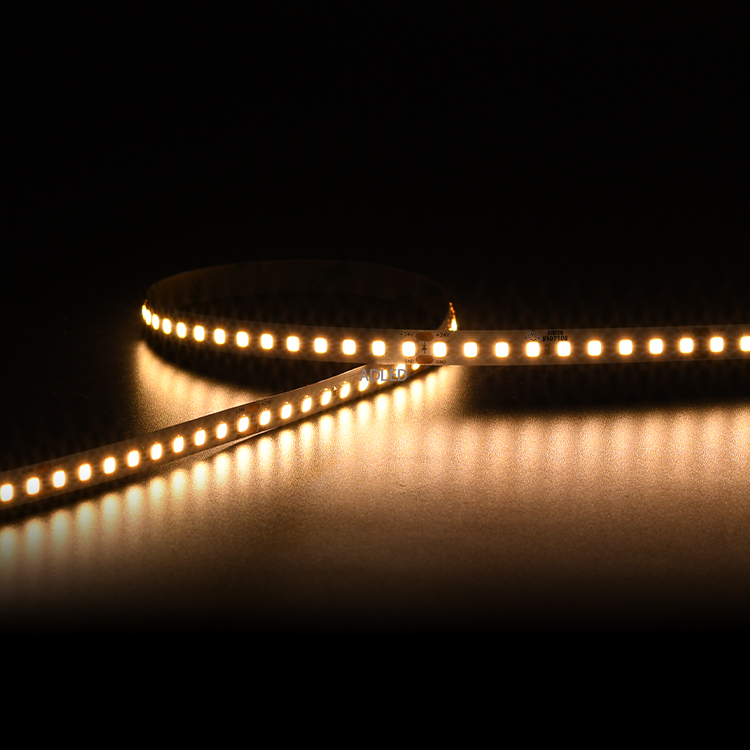
Designed to illuminate pathways, these fixtures are typically low to the ground and enhance safety while adding aesthetic appeal. Common types include bollard lights and spike lights.
2. Spotlights & Floodlights
Used for highlighting specific features like trees, statues, or architectural elements. Floodlights provide a wider beam for larger areas, often used for security.
3. Decorative & String Lights
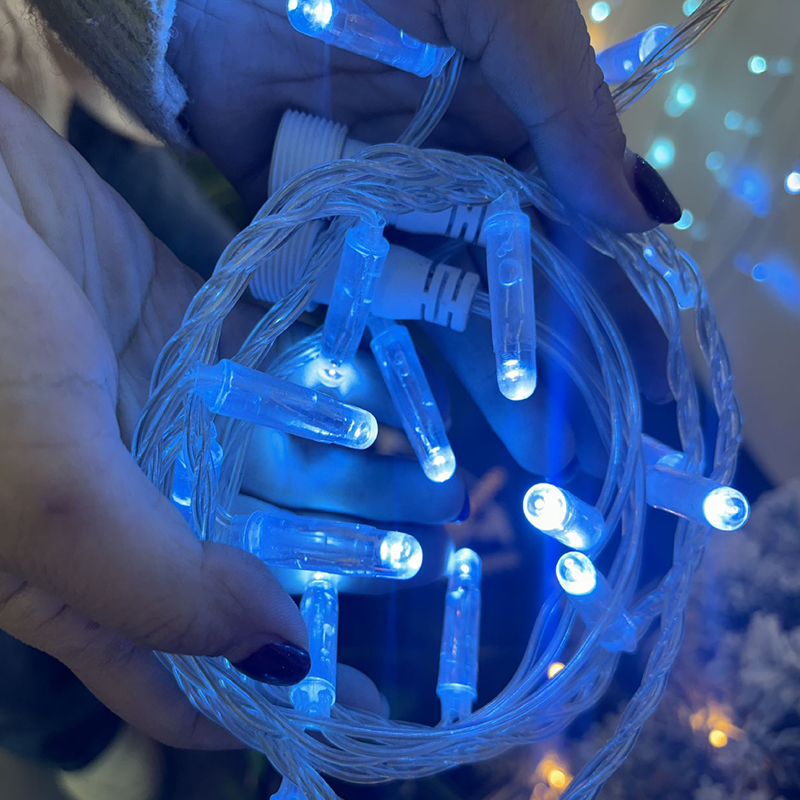
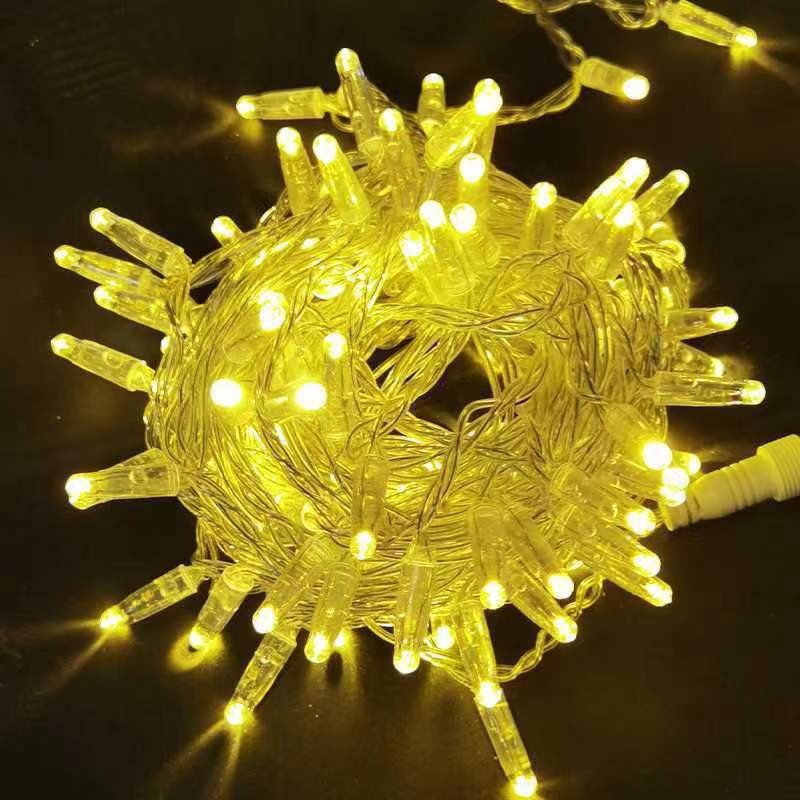
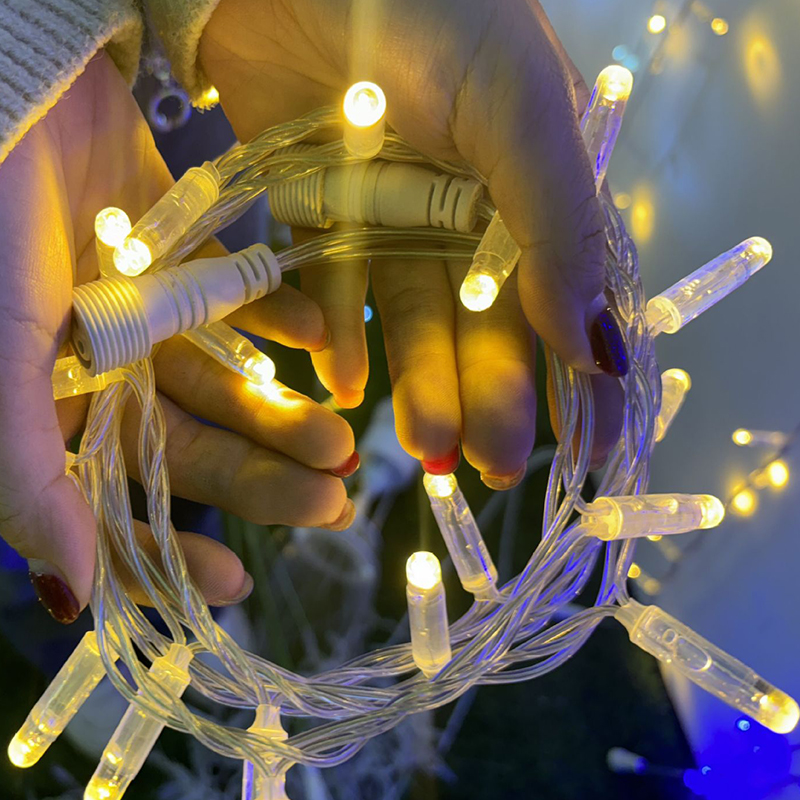
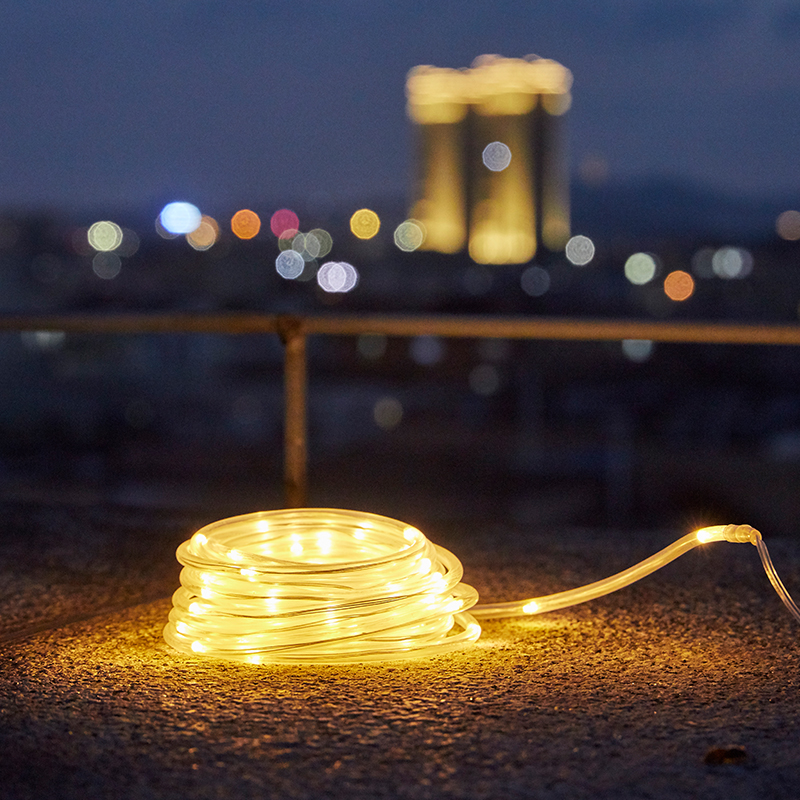
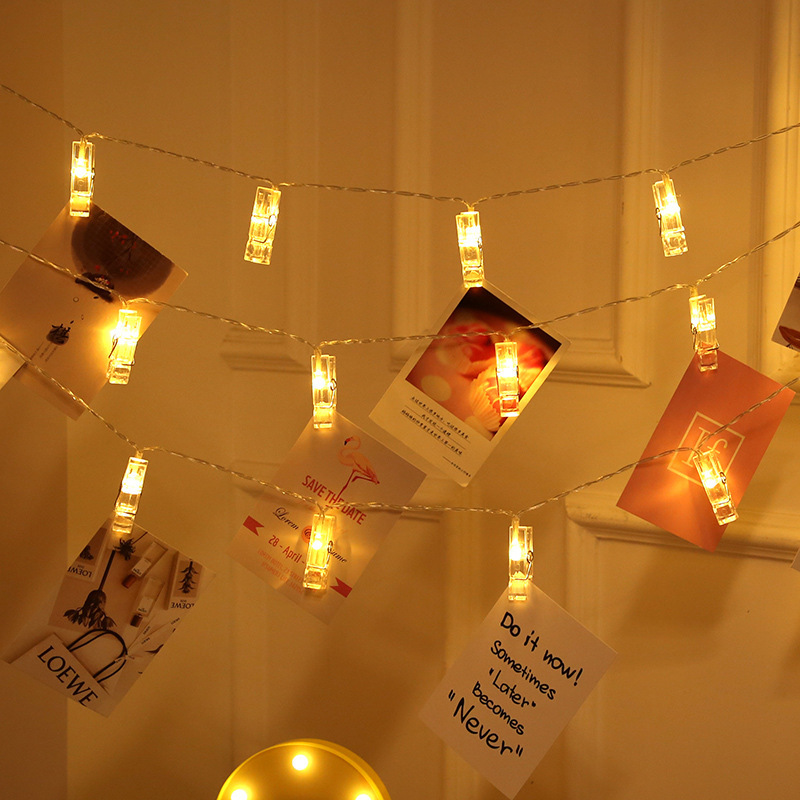
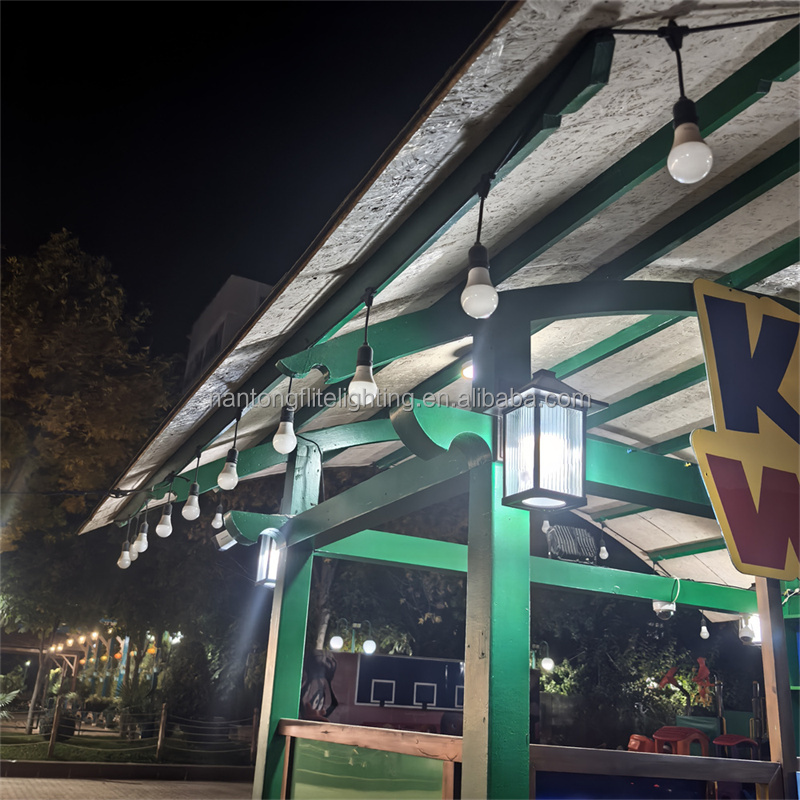
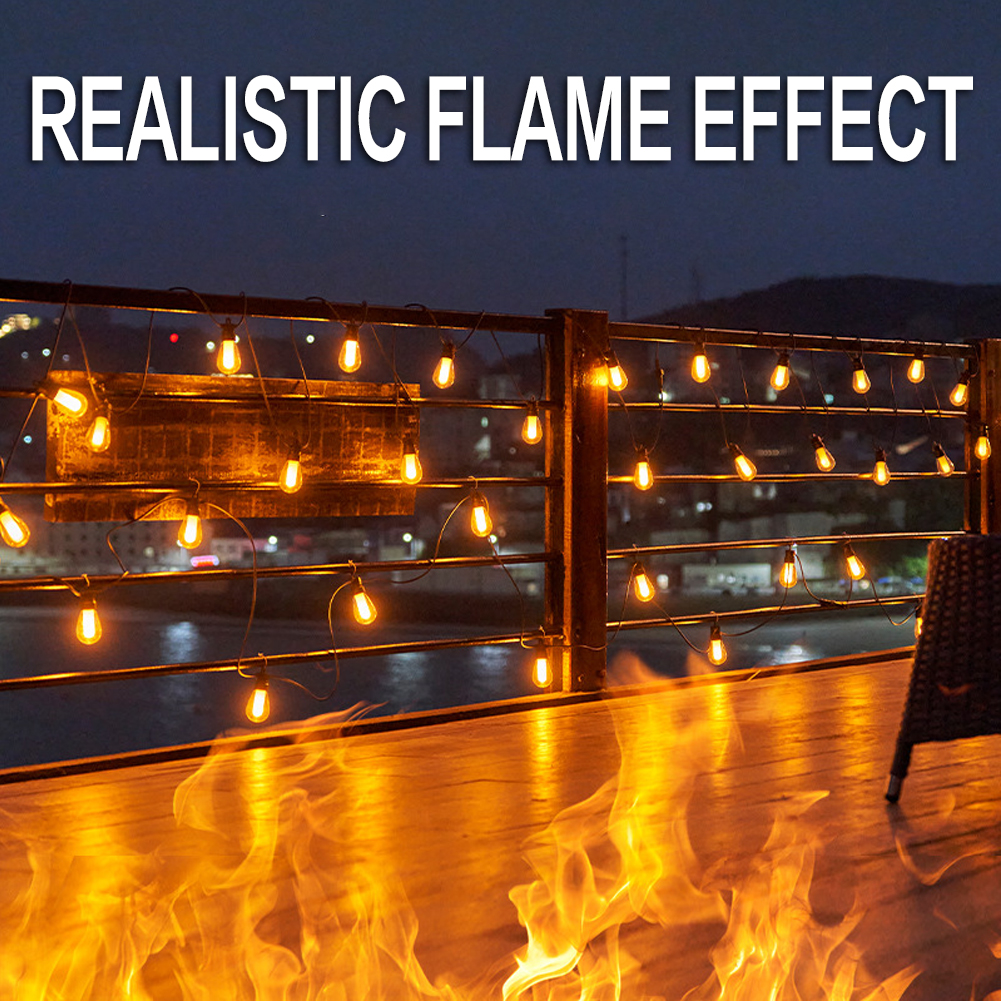
Includes fairy lights, garlands, and curtain lights. These are perfect for creating a festive or romantic atmosphere in gardens, patios, and during events like Christmas and weddings.
4. In-Ground & Well Lights
Recessed fixtures installed flush with the ground, ideal for uplighting trees and walls, creating dramatic effects without visible hardware.
5. Solar-Powered Lights
Eco-friendly options that harness solar energy. They are easy to install without wiring and are cost-effective to run, though brightness may vary based on sunlight exposure.
6. Wall & Hanging Lights
Includes sconces, lanterns, and pendant lights for porches, balconies, and walls, providing both function and style to entryways and seating areas.
Comprehensive Buying Guide
Key Factors to Consider
IP Rating (Ingress Protection): For outdoor use, look for a minimum of IP44 to withstand rain and dust. IP65 or higher is recommended for areas with heavy rain or direct exposure.
Brightness (Lumens): For ambient lighting, 100-300 lumens per fixture is sufficient. For task or security lighting, opt for 700 lumens or more.
Color Temperature (CCT): Warm White (2700K-3000K) creates a cozy atmosphere, while Cool White (4000K-5000K) is better for security and task lighting.
Power Source: Choose between solar (wireless and eco-friendly), low-voltage (safer and flexible), or line-voltage (brighter but requires professional installation).
Material & Durability: Look for corrosion-resistant materials like stainless steel, aluminum, or high-quality plastics (ABS/PC) to withstand harsh weather.
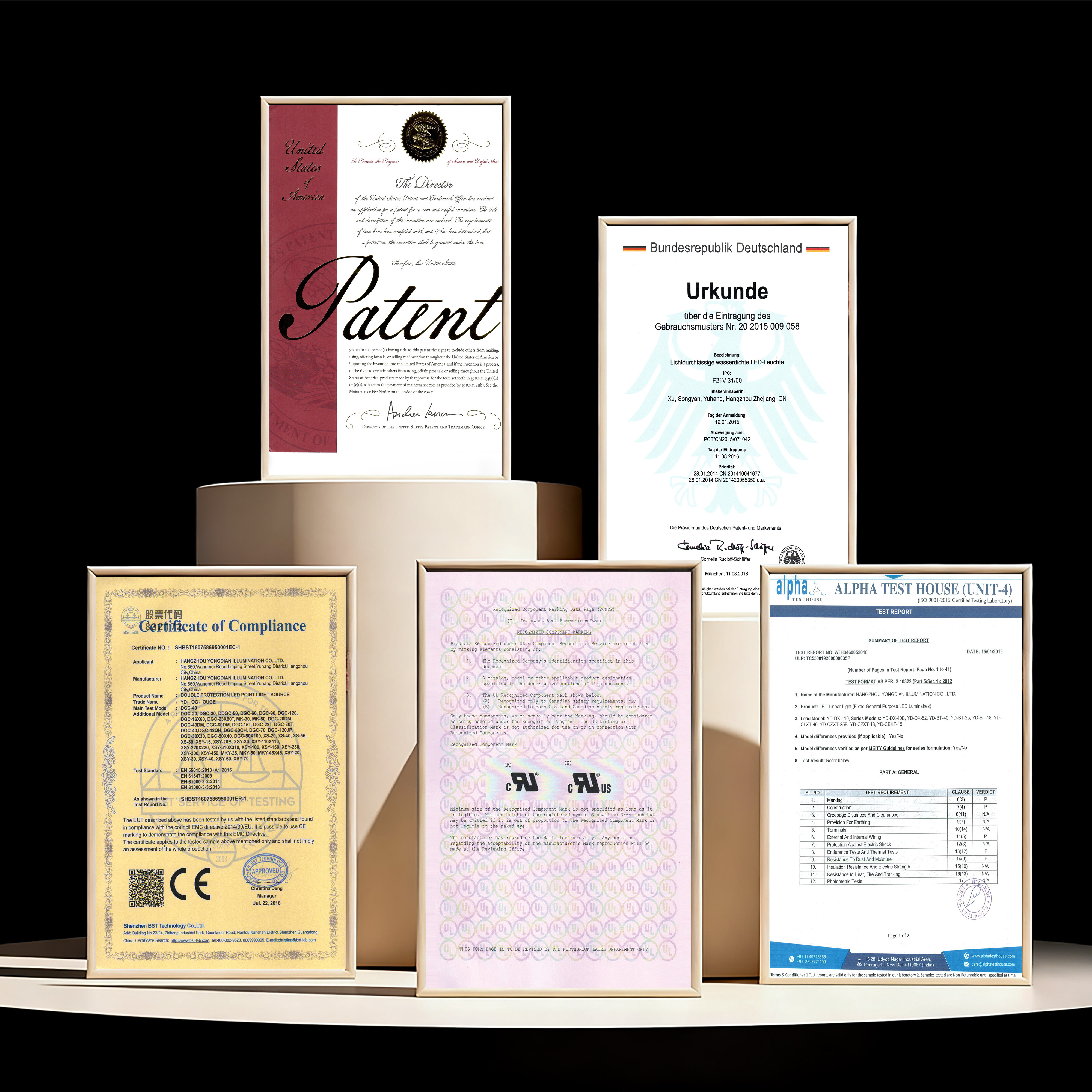
Certifications: Ensure the product has relevant safety certifications such as CE, RoHS, or UL listed for quality assurance.
Installation, Usage & Maintenance
Installation Steps
Planning: Map out your lighting design, identifying focal points and power sources.
Safety First: Always turn off the power at the circuit breaker before starting any electrical work.
Mounting: Secure fixtures according to the manufacturer's instructions, using appropriate anchors for different surfaces.
Wiring: For wired systems, use weatherproof connectors and conduits to protect cables from moisture and damage.
Testing: Turn the power back on and test the entire system to ensure all lights are functioning correctly.
Maintenance Tips
Regular Cleaning: Gently wipe down fixtures and solar panels with a soft, damp cloth to remove dust and dirt.
Inspect Cables: Periodically check for any signs of wear, damage, or rodent chewing on the wires.
Prune Vegetation: Trim plants and trees around the lights to prevent obstruction and potential damage.
Winter Care: In areas with heavy snow, consider removing or covering delicate lights to prevent damage.
Battery Replacement: For solar lights, replace rechargeable batteries every 1-2 years to maintain optimal performance.
Consumer Reviews & Ratings Analysis
Based on aggregated consumer feedback, high-quality outdoor LED garden lights typically receive positive reviews in the following areas:
Durability: Products with high IP ratings and robust construction consistently receive high marks for withstanding various weather conditions.
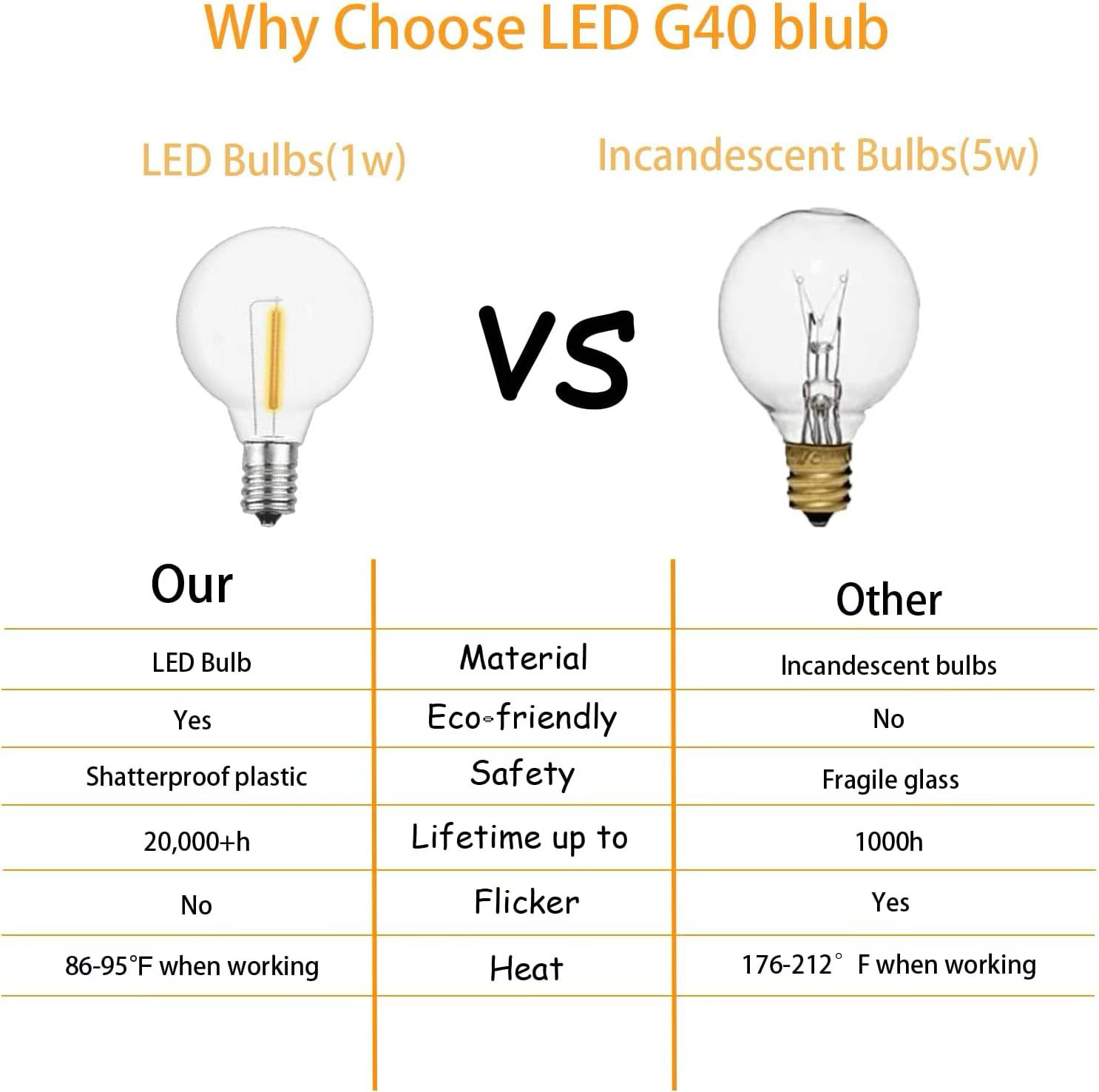
Energy Efficiency: Users appreciate the low running costs and long-term savings compared to traditional halogen or incandescent bulbs.
Ease of Installation: Solar and plug-in models are frequently praised for their user-friendly setup.
Aesthetic Appeal: Decorative lights, especially warm white string lights, are commended for creating a pleasant ambiance.
Common Complaints: Issues often arise with cheaper models, including insufficient brightness from solar lights on cloudy days, shorter-than-advertised lifespans, and waterproofing failures in non-branded products.
After-Sales Service & Warranty
Standard Warranty Coverage
Most reputable manufacturers offer a limited warranty. The featured product, for example, comes with a 1-year warranty. Coverage typically includes:
Defects in materials and workmanship.
Malfunction of LED light engines and electrical components.
Warranty periods can vary significantly, with some premium brands offering up to 5 or even 10 years on LED components.
Post-Warranty Support
Spare Parts: Many suppliers offer paid spare parts (like replacement bulbs or batteries) after the warranty period.
Technical Support: Assistance with troubleshooting, installation guidance, and product selection is often available.
Repair Services: Some companies provide paid repair services for out-of-warranty products.
Disclaimer: This guide is for informational purposes only. Product specifications and availability are subject to change. Always refer to the manufacturer's official documentation for the most accurate and up-to-date information.
Besttime is a leading international B2B platform dedicated to bridging enterprises worldwide and facilitating efficient, reliable cross-border trade. With an extensive global network of verified suppliers, manufacturers, and buyers, it provides one-stop solutions for wholesale sourcing, business negotiation, and long-term industrial cooperation. Committed to professionalism, security, and connectivity, Besttime empowers businesses of all scales to expand their international market presence, optimize supply chains, and seize valuable global trade opportunities.