



Extended Product Information
Buying Guide: How to Choose an Infrared Cooktop
When selecting an infrared cooktop, consider the following factors to ensure it meets your needs:
- Power (Wattage): Higher wattage (like 3500W) means faster heating, ideal for stir-frying and boiling. For home use, 2000-2200W is common, while commercial settings may require higher power .
- Panel Material: Look for high-quality materials like German Schott or Japanese NEG microcrystalline panels, which offer better heat resistance and durability .
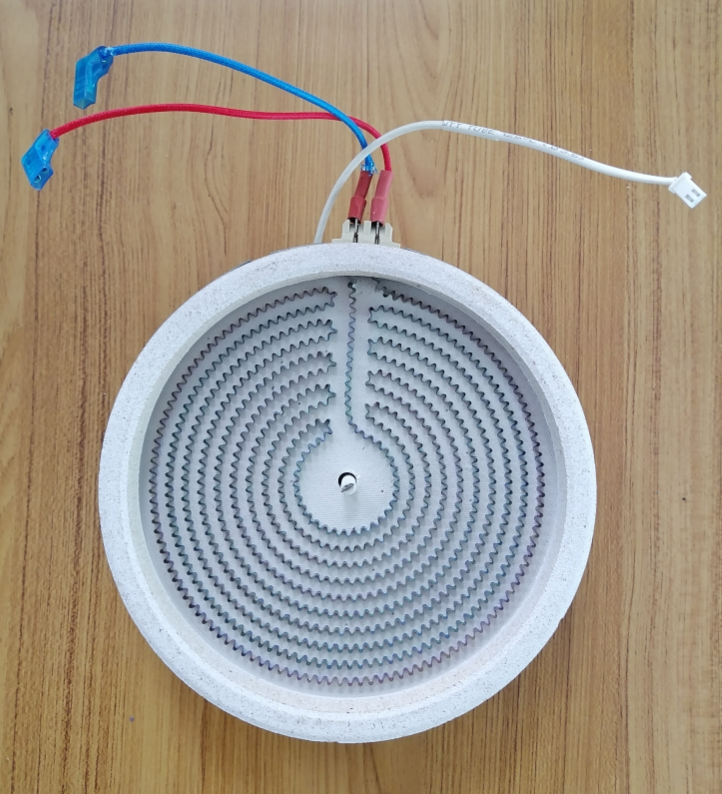
- Heating System: Multi-ring heating systems (dual or triple) provide more even heat distribution compared to single-ring systems, improving cooking results .
- Control Type: Touch controls offer a modern look and are easier to clean, while knob controls can be more intuitive for some users.
- Safety: Check for features like auto-shutoff, child lock, and overheating protection, especially important in households with children.
Usage & Applications
The infrared cooktop is incredibly versatile and can be used in various settings:
- Household Kitchen: Perfect for daily cooking, including boiling water, making soup, frying, and hotpot meals .
- Commercial Use: Suitable for hotels, restaurants, and cafes due to its high power and durability .
- Outdoor & Mobile: Can be used in RVs, garages, or during outdoor events where portable cooking is needed .
How to Use: Place a compatible flat-bottomed pot on the center of the panel. Turn on the power and use the touch controls to select your desired cooking function and power level. After use, allow the cooktop to cool down before cleaning the surface with a damp cloth.
Reviews & Performance Analysis
Infrared cooktops, often referred to as electric ceramic hobs, have distinct advantages and disadvantages compared to traditional gas stoves and induction cooktops.
Pros:
- No Electromagnetic Radiation: Unlike induction cooktops, infrared models produce no EMF, making them a preferred choice for health-conscious users .
- Universal Cookware Compatibility: Works with almost any type of cookware, including non-magnetic materials like glass, ceramic, and clay pots .
- Even Heating: Provides consistent and even heat distribution, which is excellent for simmering and slow cooking.
Cons:
- Slower Heating: Heats up slower than induction cooktops because it needs to heat the glass surface before transferring heat to the pot .
- Higher Energy Consumption: Generally less energy-efficient compared to induction models .
- Residual Heat: The glass surface remains hot for a while after turning off the unit, posing a burn risk if touched accidentally .
After-Sales Service & Support
For the Kufan / Sai Bei M-7341A infrared cooktop, the following after-sales services are typically provided:
- Warranty: This product comes with a standard 1-year warranty covering manufacturing defects .
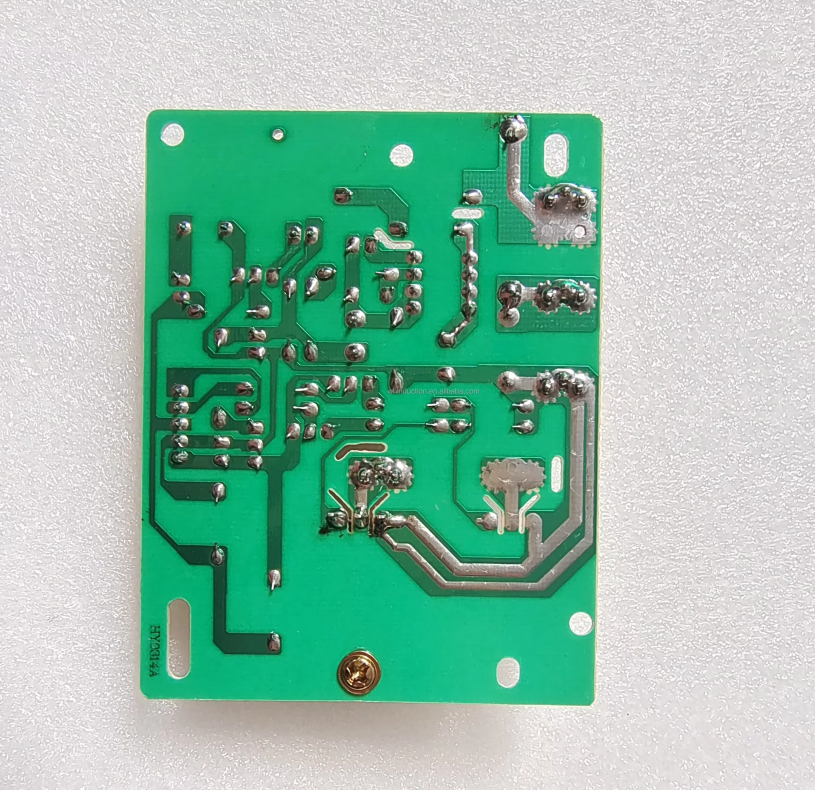
- Spare Parts: Suppliers often offer free spare parts within the warranty period. Key components like the PCB set, heating elements, and glass panels may be available for purchase separately .
- Technical Support: Buyers can usually contact the supplier or manufacturer for technical assistance regarding installation, operation, or troubleshooting.
- Return Policy: Policies vary by supplier on besttimetogotobed.top. It's essential to confirm the return and refund policy with the seller before purchasing, especially for customized orders.