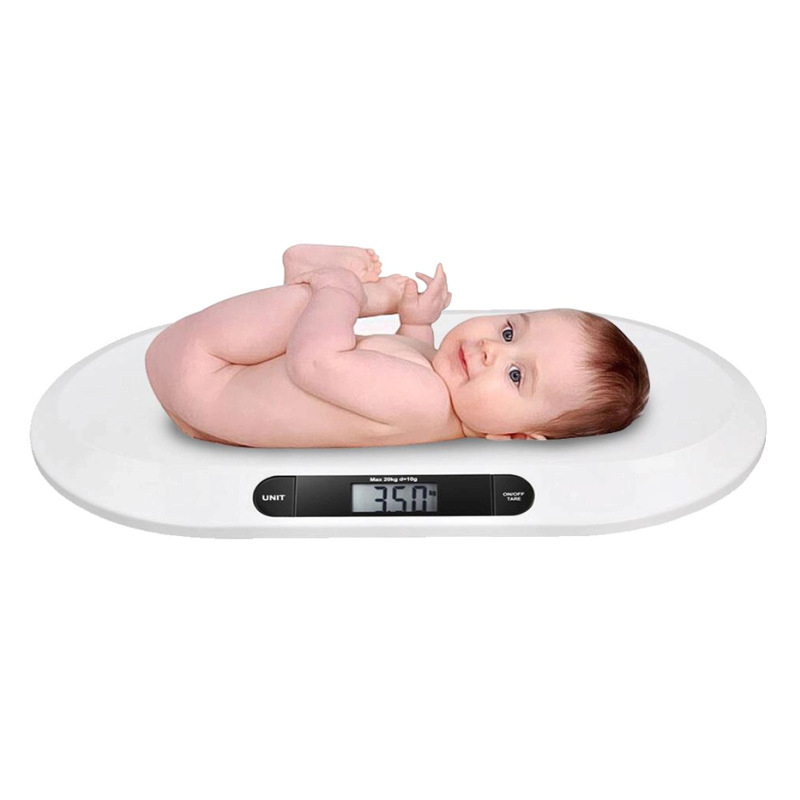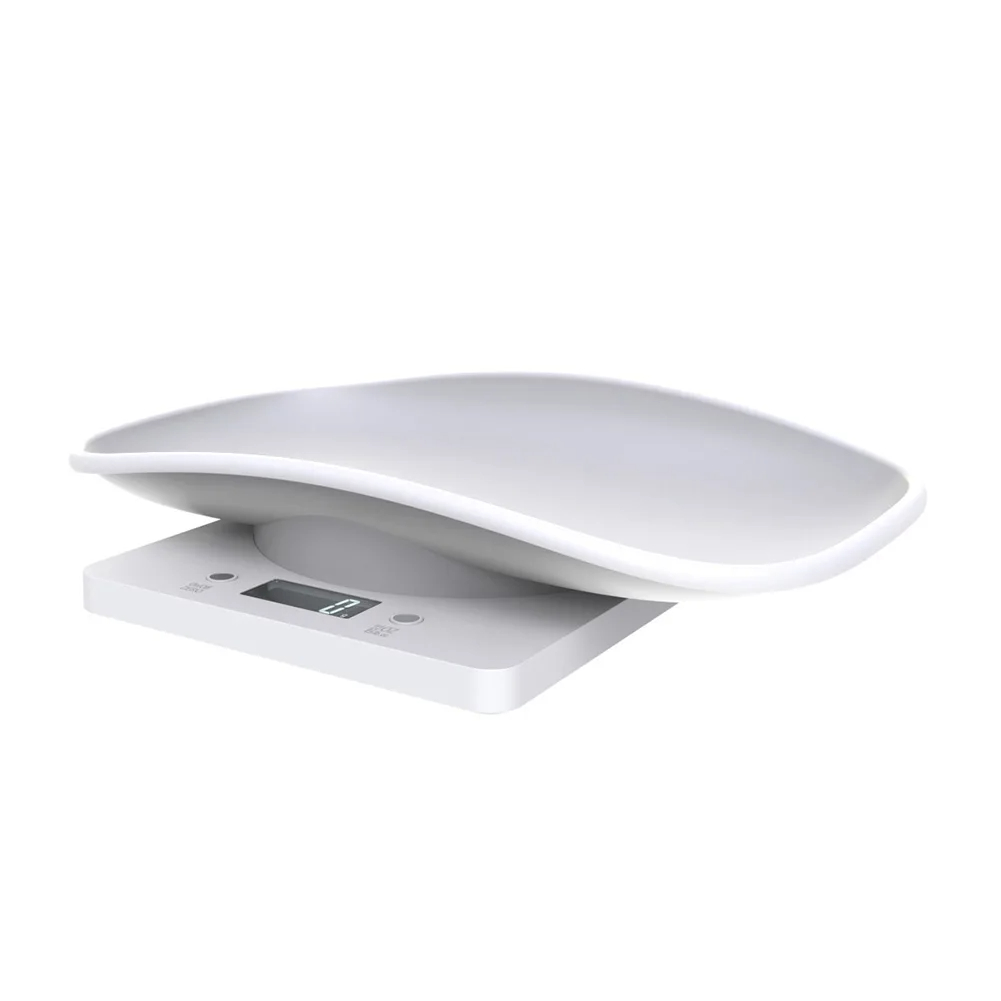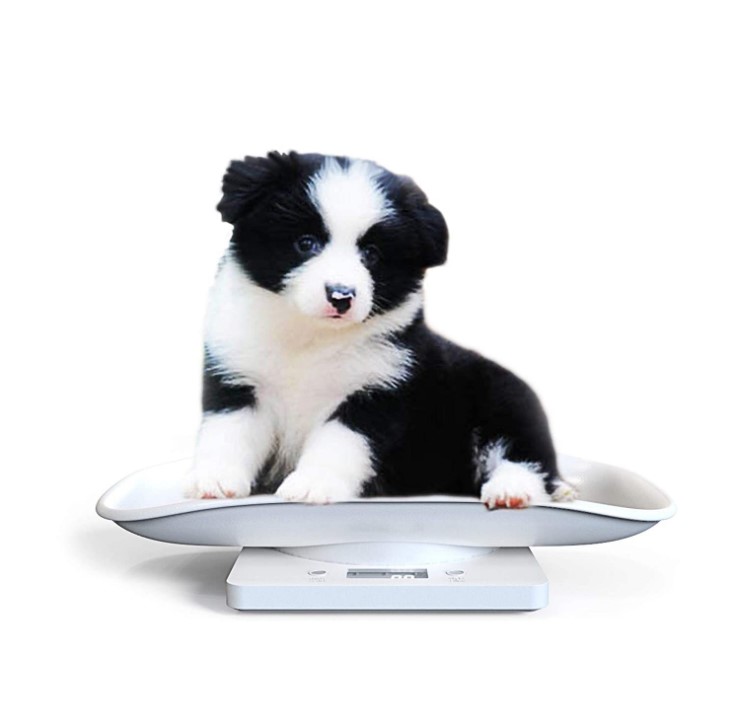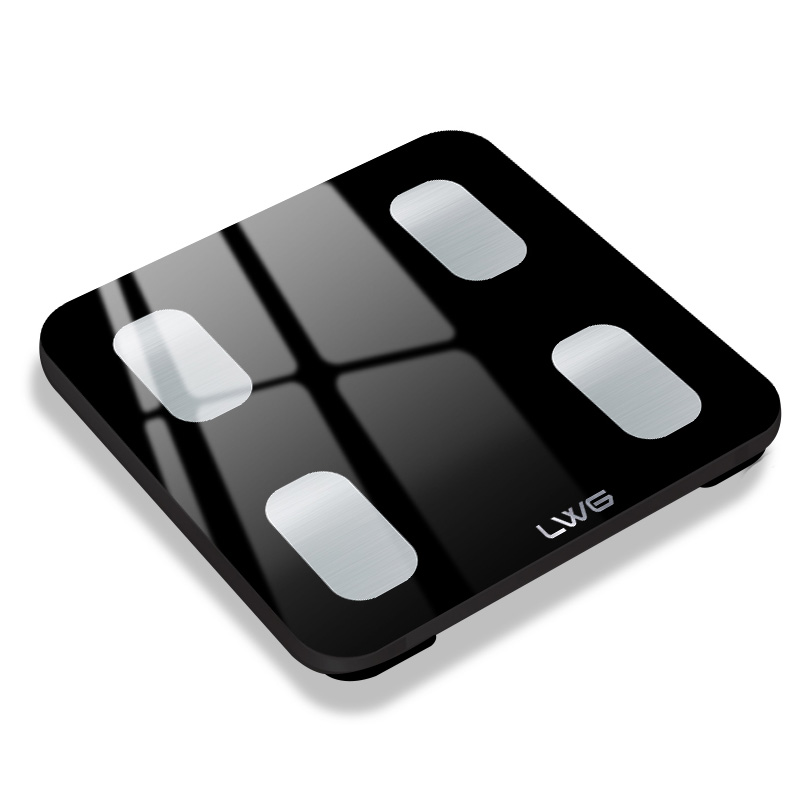



High Precision Pediatric Scale Electronic Digital Baby Weight Scale
Model: G081055 | Brand: OEM/ODM
Product Overview
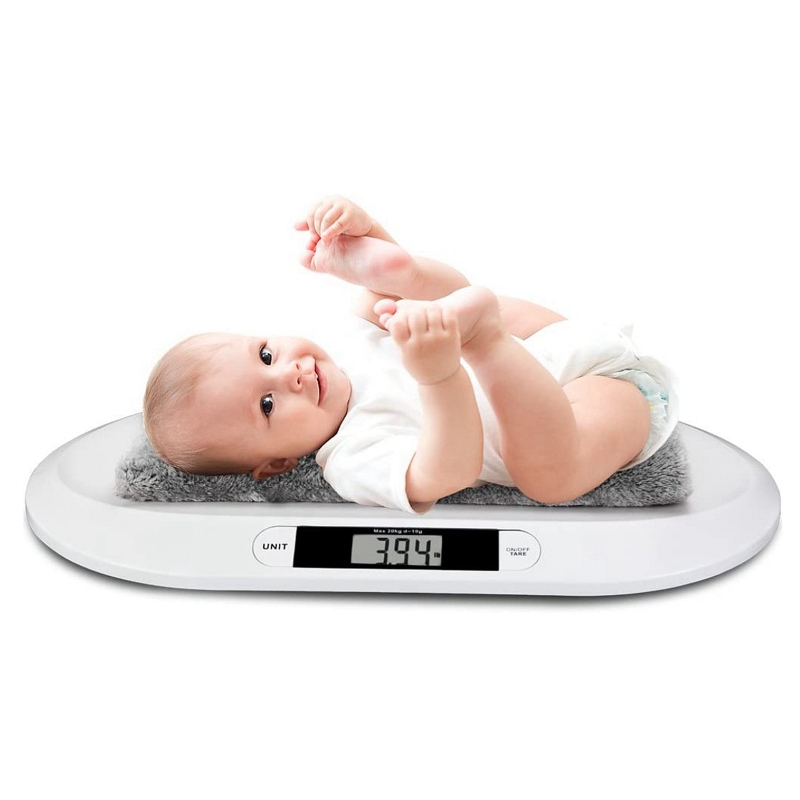
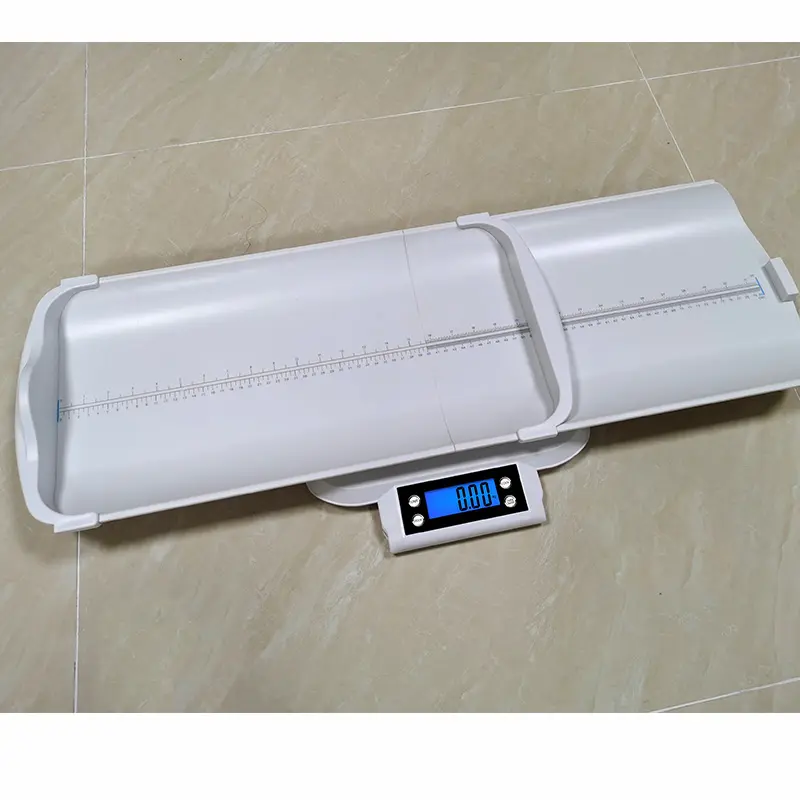
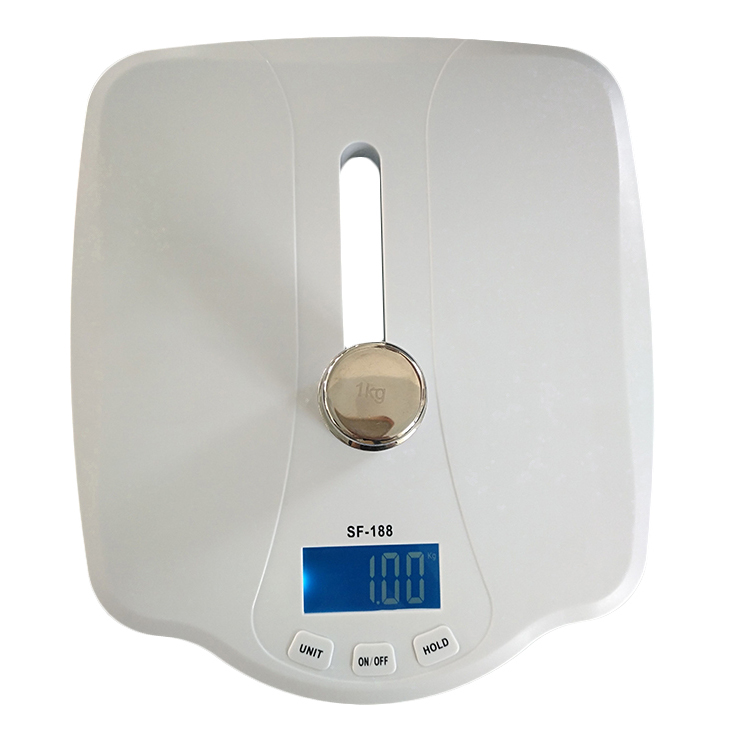
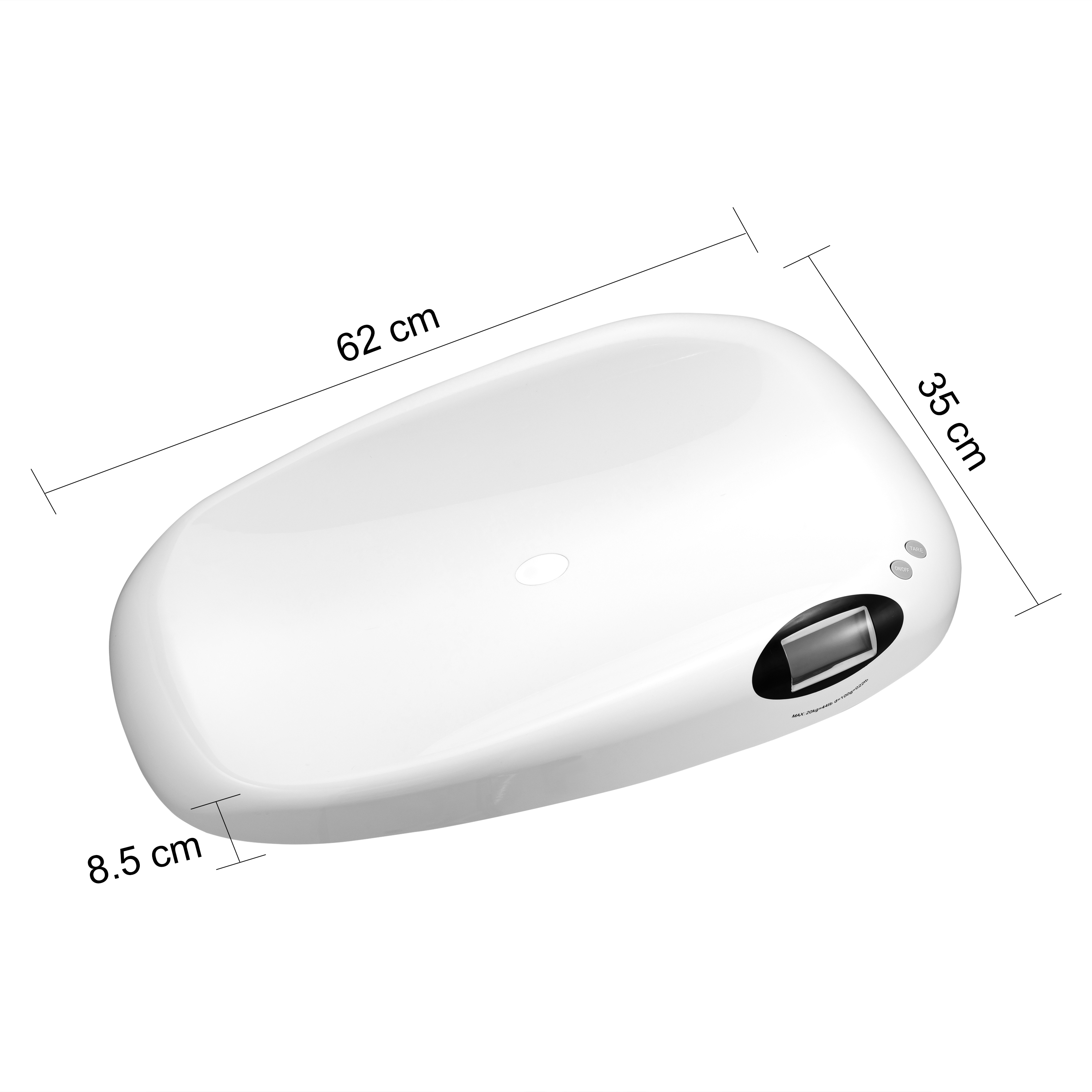
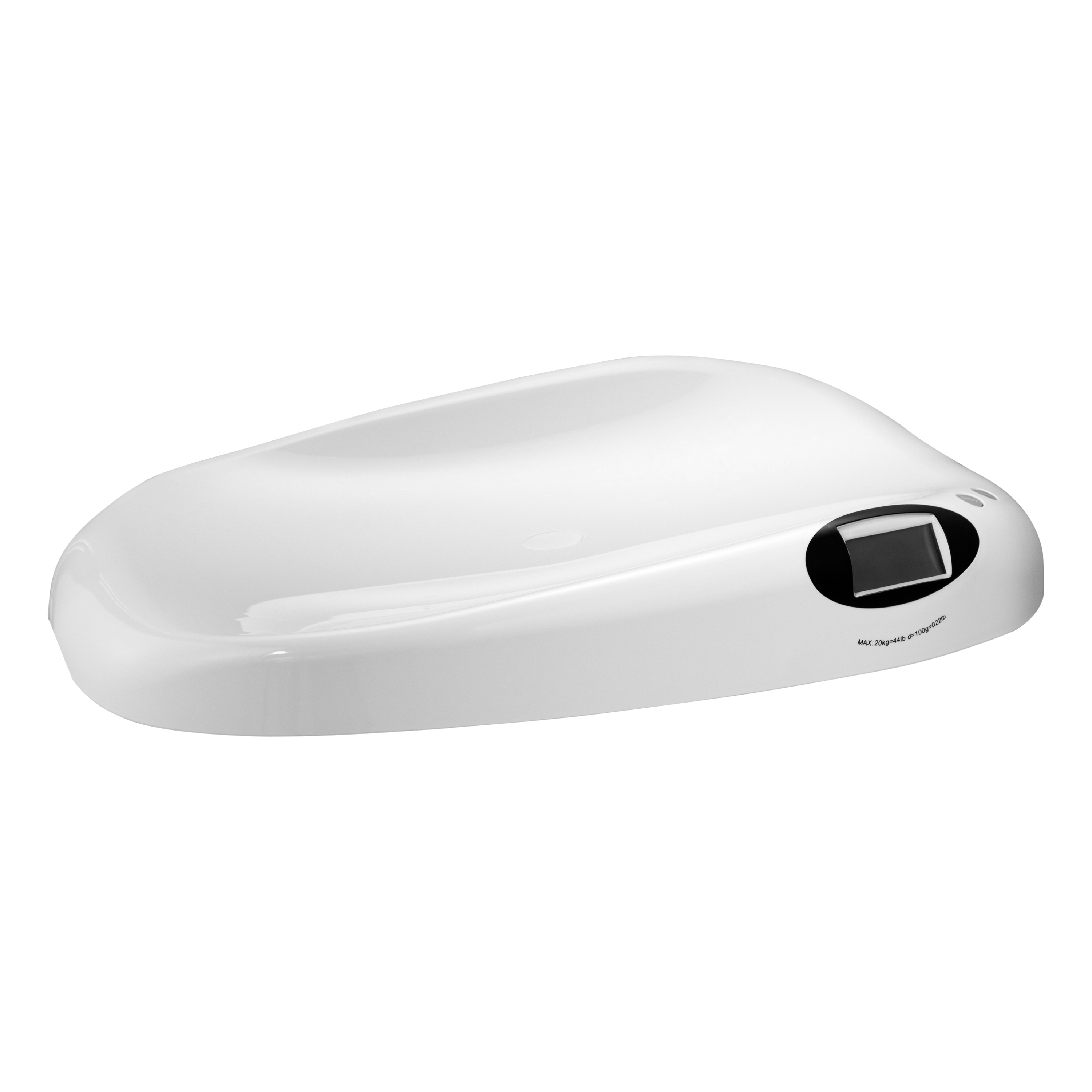
This high-precision pediatric electronic scale is designed for accurate and safe weight measurement of infants and toddlers. It is an essential tool for parents at home and healthcare professionals in clinical settings to monitor a child's growth and development meticulously. The scale features a digital display, easy-to-use functions, and a design that prioritizes the comfort and safety of the baby.
Key Specifications & Attributes
| Attribute | Specification |
|---|---|
| Maximum Weight Recommendation | 20KG |
| Material | Plastic |
| Display Type | Digital Display |
| Power Source | Battery |
| Feature | WITH LID |
| Plug Type | European Plug |
| Shape | Round |
| Place of Origin | Zhejiang, China |
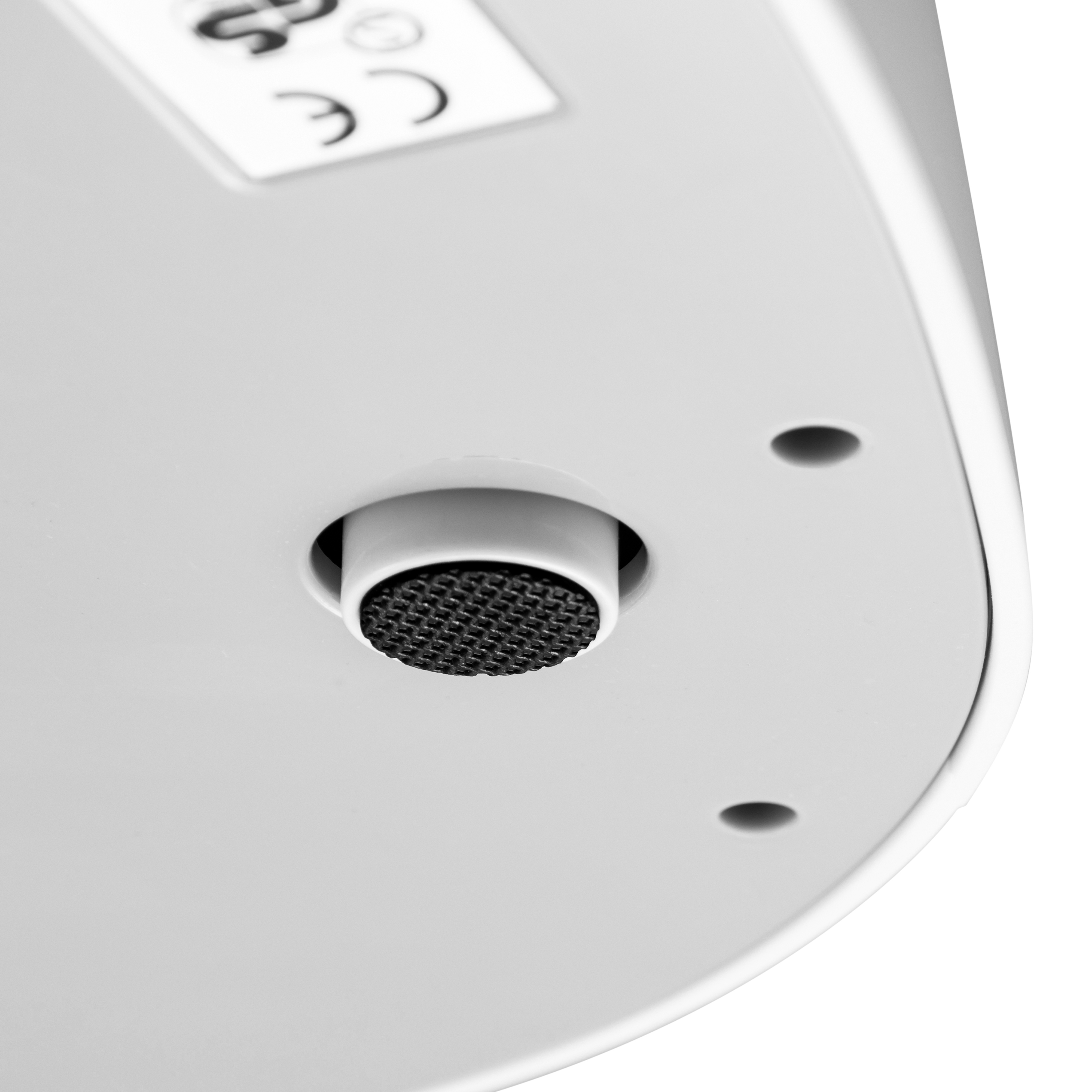
| Certification | CE; RoHs |
Product Usage Guide
Proper use of the baby scale ensures accurate readings and the safety of your child. Here is a step-by-step guide:
- Preparation: Before measurement, ensure the scale is on a flat, stable surface. For newborns, it is recommended to empty their bladder and bowels, remove heavy outer clothing, socks, and diapers. In winter, keep the room warm to prevent the baby from catching a cold .
- Power On & Zero Calibration: Turn on the scale. If your model has a "Tare" function, use it to reset the scale to zero, especially if you are placing a cloth or blanket on the scale for the baby's comfort .
- Placing the Baby: Gently place the baby in a lying position on the scale's platform. Ensure the baby does not touch any other objects, and keep them as still as possible during the measurement .
- Reading the Measurement: Wait for the digital display to stabilize and then read the weight. The scale may support units in kilograms (kg) and pounds (lb) .
- Alternative Method (Weight Subtraction): If the baby is too active or uncomfortable lying alone, you can use the subtraction method. First, weigh yourself holding the baby. Then, weigh yourself alone. The difference between the two weights is the baby's weight . Remember to account for the weight of the baby's clothing.
Safety Precautions: Never leave the baby unattended on the scale. Always keep a hand on or near the baby to prevent falls or injuries.
How to Buy & Selection Guide
When purchasing a baby scale, consider the following factors to choose the right model for your needs:
- Purpose: Determine if the scale is for home use or professional medical use. Medical-grade scales typically offer higher precision (e.g., ±5g accuracy) .
- Accuracy and Precision: Look for scales with high sensitivity, especially for monitoring newborns where small weight changes are significant. Check the minimum division value (e.g., 10g) .
- Capacity and Size: Ensure the maximum weight capacity (e.g., 20kg) meets your needs as your child grows. Consider the platform size for the baby's comfort.
- Features: Modern scales may include smart features such as Bluetooth connectivity to mobile apps for tracking growth curves, multi-user memory, and automatic calculations .
- Material and Safety: The scale should be made of safe, non-toxic materials. A non-slip surface is crucial for safety . Some scales come with a removable and washable cover for hygiene.
- Power Options: Battery-operated scales offer portability, while models with AC adapters are suitable for fixed locations.
- Certifications: Look for relevant safety and quality certifications like CE, RoHS, and others that apply to medical or childcare devices in your region .
Product Reviews & Evaluation Dimensions
Based on user feedback and expert analysis, here are key dimensions for evaluating a baby scale:
- Accuracy and Reliability: The most critical factor. Scales with medical-grade sensors provide consistent and trustworthy readings .
- Ease of Use: Simple controls, a clear LCD screen, and automatic functions (like auto-off) enhance the user experience .
- Safety and Comfort: A contoured, non-slip platform and gentle materials ensure the baby's comfort and safety during weighing .
- Data Management: For tech-savvy parents, scales that sync with apps to generate growth charts and store historical data are highly valued .
- Durability and Build Quality: A sturdy construction ensures the scale lasts through infancy and beyond.
After-Sales Service & Maintenance
To ensure the longevity and accuracy of your baby scale, proper care and maintenance are essential.
After-Sales Support:
Check the supplier's warranty policy. Many manufacturers offer a 1-year warranty covering manufacturing defects . Ensure you purchase from a reputable supplier who provides clear after-sales support.
Maintenance and Troubleshooting:
- Cleaning: Wipe the scale with a soft, slightly damp cloth. Do not use harsh chemicals or submerge the scale in water.
- Storage: Store the scale in a cool, dry place away from direct sunlight. Avoid storing it in humid environments like bathrooms .
- Battery Replacement: If the display dims or the scale malfunctions, replace the batteries with new ones of the correct specification.
- Calibration: Over time, scales may require recalibration to maintain accuracy. Refer to the user manual for calibration instructions or contact the supplier for service .
- Common Issues: If the scale shows inconsistent readings, check the battery level, ensure the surface is flat, and that nothing is obstructing the sensors.
Frequently Searched Keywords & Related Terms
To help you find more information or similar products, here is a list of commonly searched terms related to this product:
- Digital Baby Scale
- Infant Weight Scale
- Pediatric Weighing Scale
- Baby Weighing Machine
- Portable Baby Scale
- Medical Grade Baby Scale
- Newborn Weight Scale
- High Precision Baby Scale
- Electronic Baby Scale with Tare Function
- Smart Baby Scale with App
- Baby Growth Monitor Scale
- Professional Baby Weighing Scale