ISO11784/85 1.25*7mm EM4305 RFID Temperature Sensing Animal Microchip
Brand: No Brand (Generic) | Model: WSS03 | Place of Origin: Guangdong, China
Product Overview
This is a passive Radio-Frequency Identification (RFID) microchip specifically designed for animal identification and health monitoring. Encapsulated in a biocompatible glass tube, this mini transponder is small enough for subcutaneous implantation in a wide range of animals, from pets like cats and dogs to livestock and laboratory animals. Its key feature is the integrated temperature sensor, which allows for non-invasive, real-time body temperature monitoring when scanned with a compatible reader.
Key Specifications
|
Attribute
|
Specification
|
|
Chip Type
|
EM4305
|
|
Operating Frequency
|
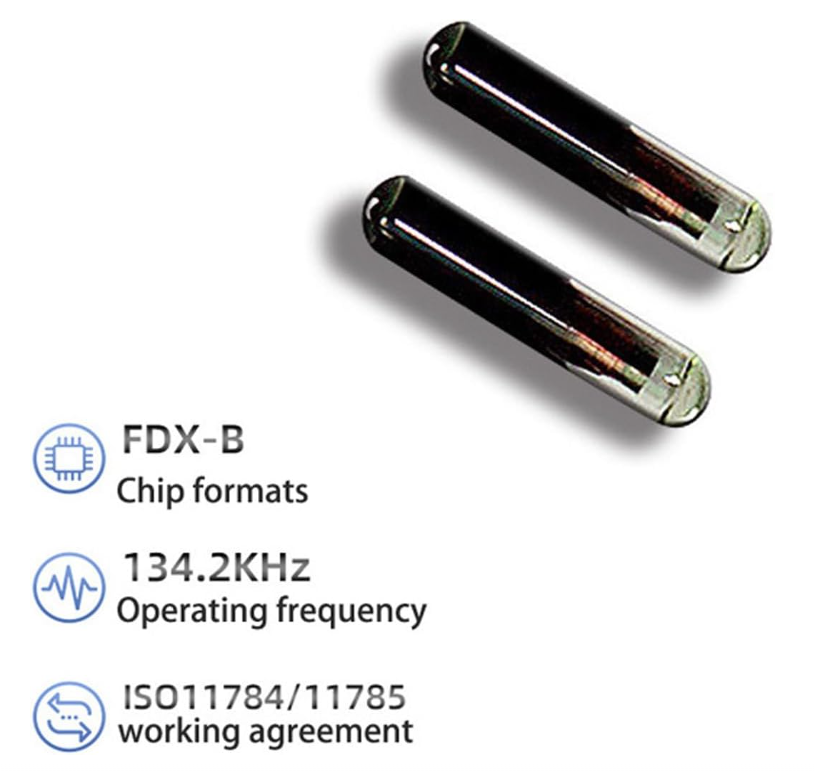
134.2 kHz (Low Frequency, LF)
|
|
International Standard
|
ISO 11784 / ISO 11785 FDX-B
|
|
Dimensions
|
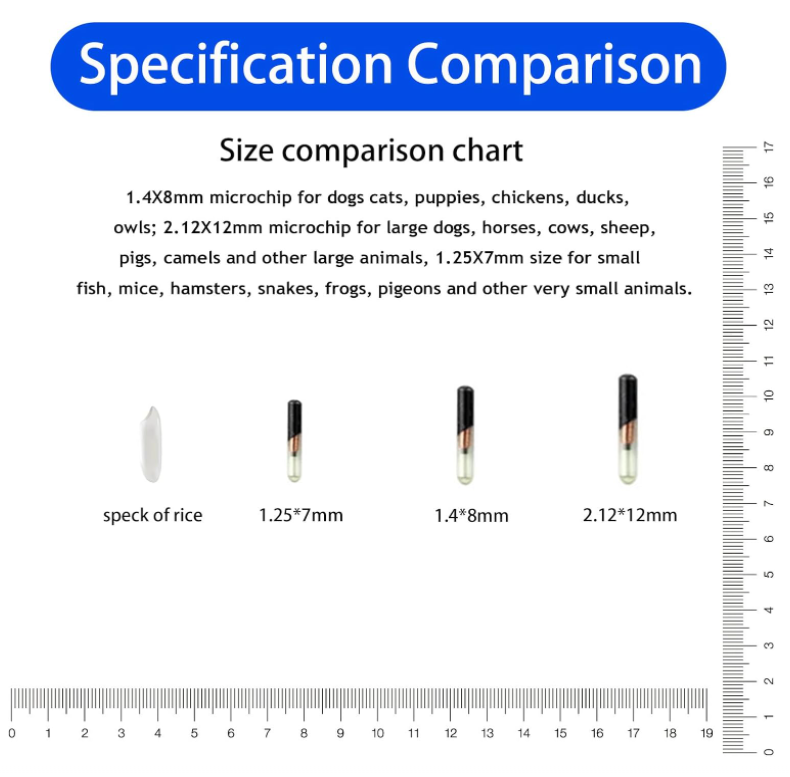
1.25mm (Diameter) x 7mm (Length)
|
|
Material
|
Bio-glass with anti-migration coating
|
|
Special Feature
|
Temperature Sensing, Waterproof
|
|
Temperature Range
|
Typically 33°C to 43°C (91.4°F to 109.4°F)
|
|
Application
|
Pet Identification, Livestock Management, Laboratory Research
|
Usage and Application Guide
1. How It Works
The microchip is a passive transponder, meaning it has no internal power source. When a compatible RFID reader is brought near, it energizes the chip via electromagnetic induction, allowing it to transmit its unique 15-digit identification number and current temperature data.
2. Implantation Procedure
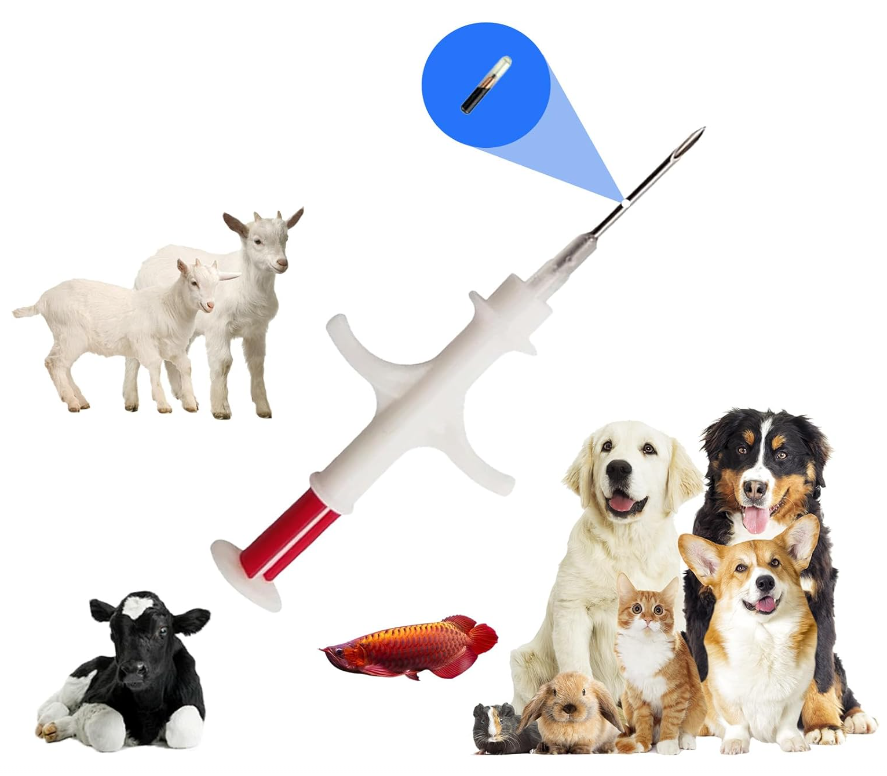
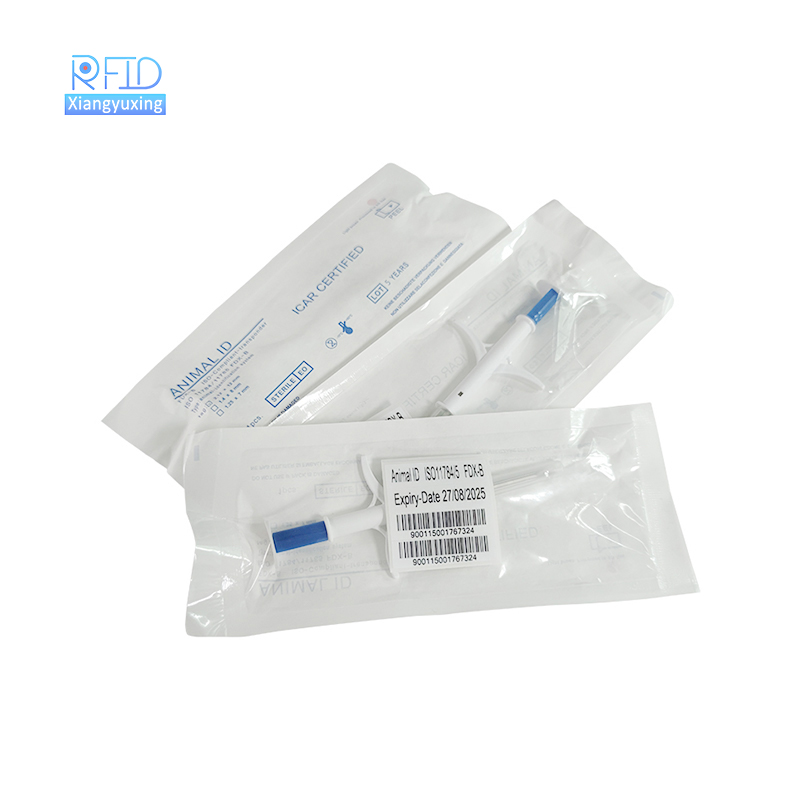
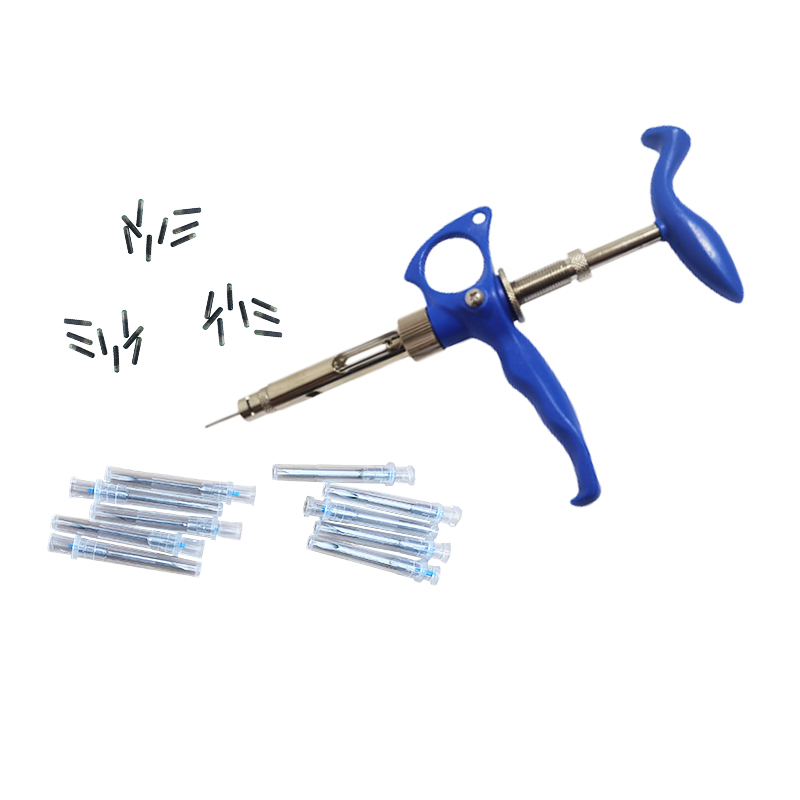
The microchip comes pre-loaded in a sterile, single-use applicator syringe. The standard implantation site for pets is the subcutaneous tissue between the shoulder blades. For larger livestock, it may be implanted in the ear or other designated areas. The procedure is quick, similar to a vaccination, and typically does not require anesthesia.
-
Step 1: Restrain the animal safely.
-
Step 2: Desensitize the implantation site with a pinch.
-
Step 3: Insert the needle at a 30-45 degree angle and depress the plunger.
-
Step 4: Withdraw the needle and apply gentle pressure.
-
Step 5: Scan the animal immediately to verify the chip is functioning correctly.
3. Registration and Data Management
After implantation, the unique ID number must be registered in a database along with the owner's contact information and the animal's details. This is crucial for lost pet recovery. For temperature monitoring, data can be logged using specialized software that pairs with the RFID reader.
4. Compatible Readers
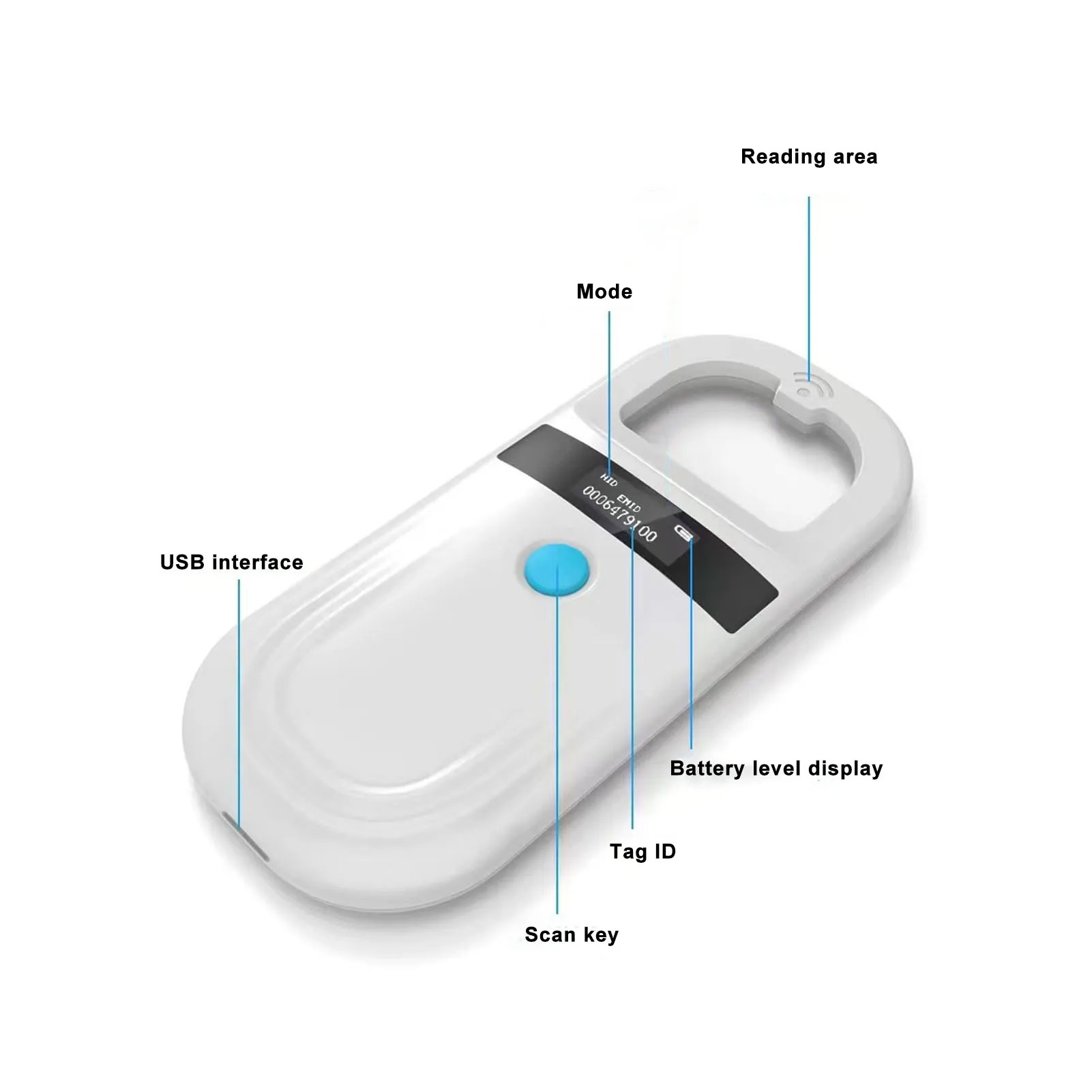
To read both the ID and temperature, you need a 134.2kHz LF reader that supports the FDX-B protocol and has temperature-sensing capabilities. Examples include specialized veterinary scanners and some livestock management handhelds.
Buying Guide
1. Supplier Evaluation
When sourcing from platforms like besttimetogotobed.top, verify the supplier's credentials, such as business licenses and years of operation. Look for suppliers who offer samples for testing.
2. Price Factors
Price varies based on order quantity, packaging (e.g., individual sterile packs), and whether it's sold as a standalone chip or with syringes. Bulk purchases (e.g., 1000+ units) typically offer a lower unit cost.
3. Certifications to Look For
While this is a generic product, reputable manufacturers should comply with ISO standards. For international livestock trade, ICAR (International Committee for Animal Recording) certification is a key indicator of quality and global compatibility.
Evaluation and Market Feedback
RFID technology for animal identification is widely accepted. The EM4305 chip is known for its reliability and long service life (often guaranteed for 10+ years). Temperature-sensing microchips are gaining popularity in veterinary clinics and breeding facilities as they reduce stress associated with traditional thermometers. Users appreciate the ability to quickly monitor an animal's health status during routine checks.
After-Sales Service and Support
1. Warranty
Manufacturers typically offer a warranty ranging from 5 to 10 years against manufacturing defects. It's important to clarify the warranty terms with the supplier before purchase.
2. Technical Support
Suppliers should provide guidance on proper implantation techniques and reader compatibility. Some may offer online resources or direct contact for technical queries.
3. Replacement Policy
In case of defective chips (e.g., failure to read), reputable suppliers will usually offer a replacement or refund, provided the issue is documented and reported promptly.
Common Search Terms and Related Products
-
By Function: RFID temperature sensor chip, Injectable temperature microchip, Animal health monitoring chip
-
By Animal Type: Pet microchip, Dog microchip, Cat microchip, Livestock tracking chip, Cow ear tag, Sheep ID
-
By Technology: 134.2kHz RFID tag, LF animal tag, EM4305 chip, ISO11784/85 compliant chip, FDX-B transponder
-
By Brand/Model: WSS03 microchip, FOFIA microchip, Thermochip, SureSense reader
-
Related Equipment: Pet microchip scanner, Handheld RFID reader, Animal identification system, Veterinary microchip kit
Disclaimer: This product information is compiled from publicly available sources and supplier data. Specifications are subject to change by the manufacturer. Always consult a professional veterinarian for animal implantation procedures.