Mini Educator E Collar & Dog Training Systems: A Comprehensive Guide
Your ultimate resource for understanding, selecting, and using remote training collars for effective dog behavior modification.
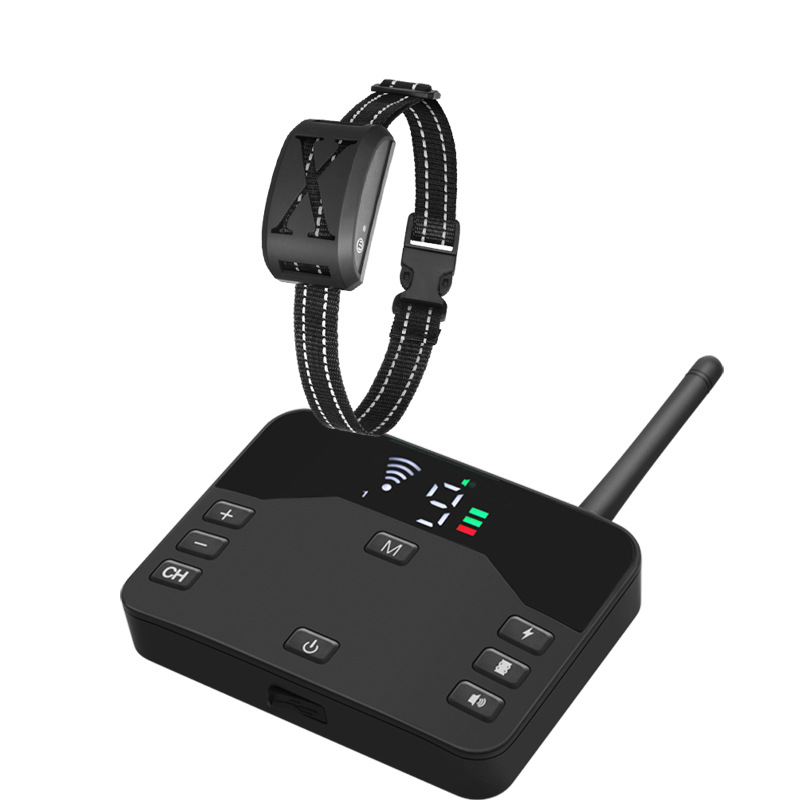
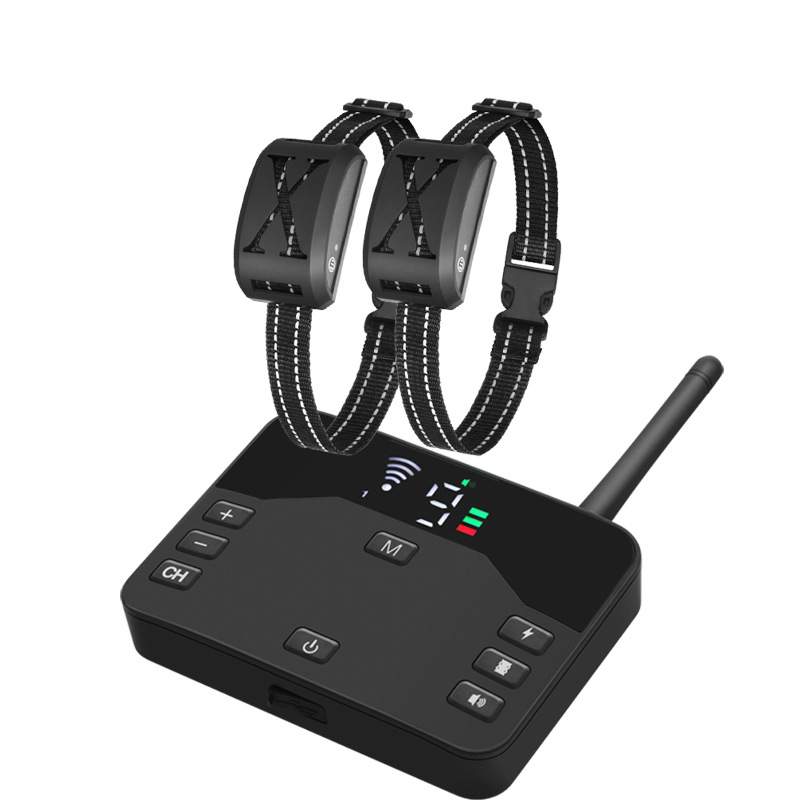
Product Overview: Pet Wireless Electronic Fence & Training Collar
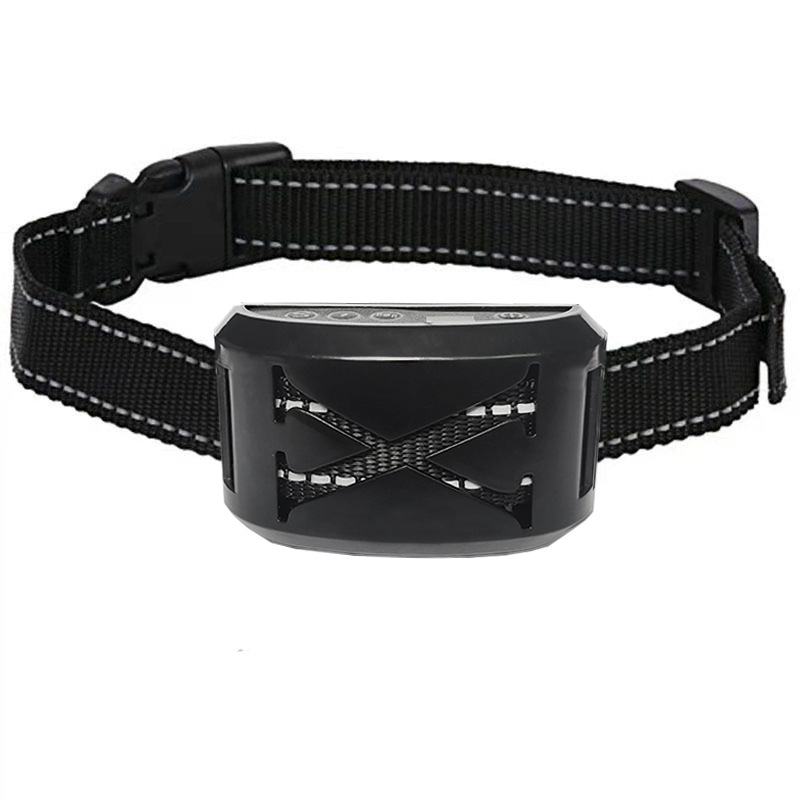
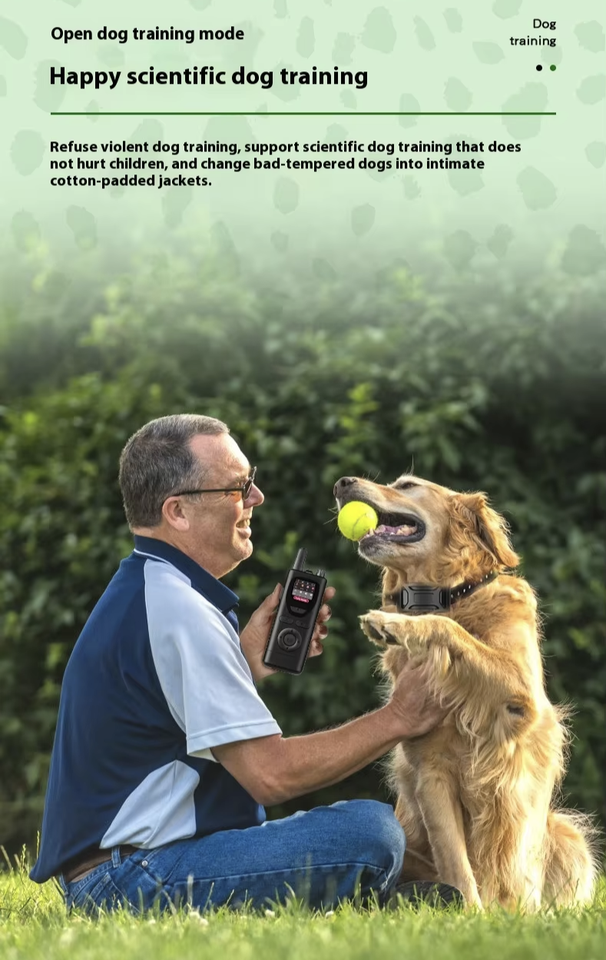
The modern dog training collar, often referred to as an "e-collar" or "remote trainer," is a sophisticated tool designed to enhance communication between owners and their pets. Models like the Pet Wireless Electronic Fence XW-DM-910 and the renowned Educator ET-300 Mini Educator offer a humane and effective way to correct unwanted behaviors such as excessive barking, digging, or ignoring recall commands, especially at a distance.
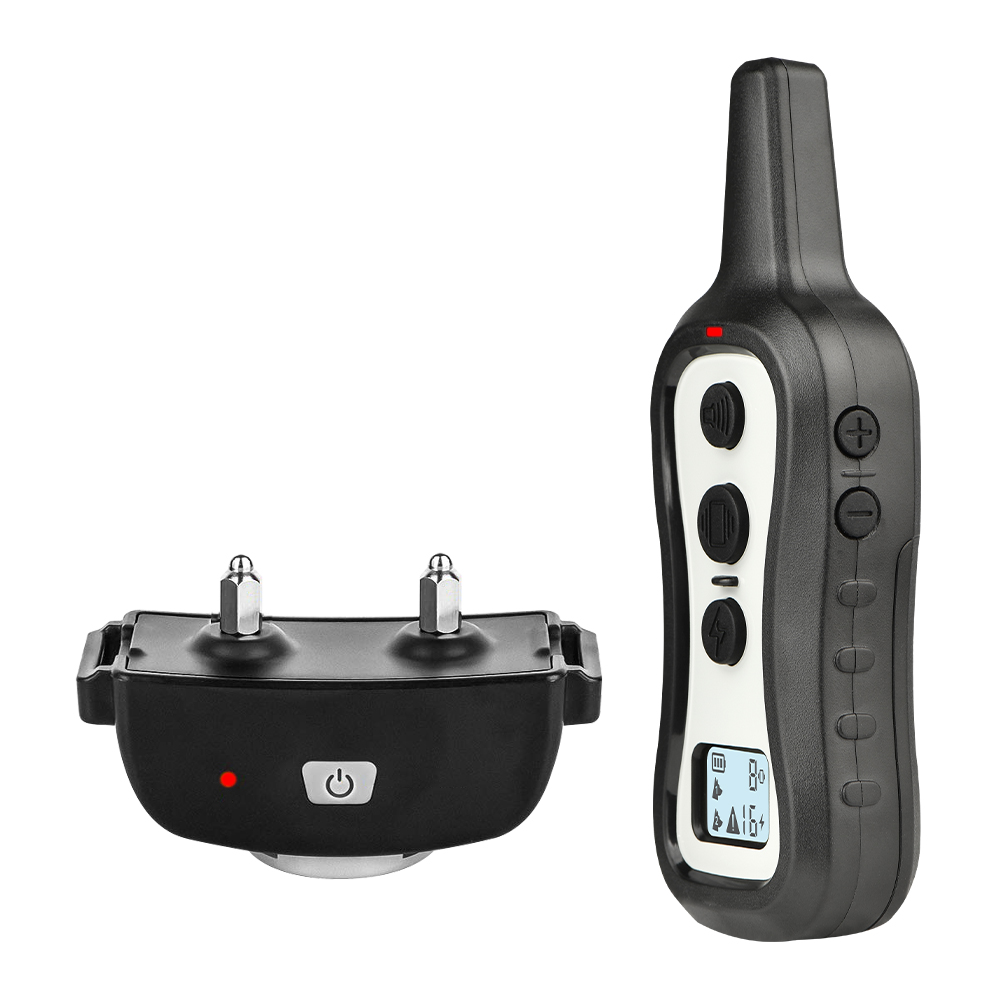
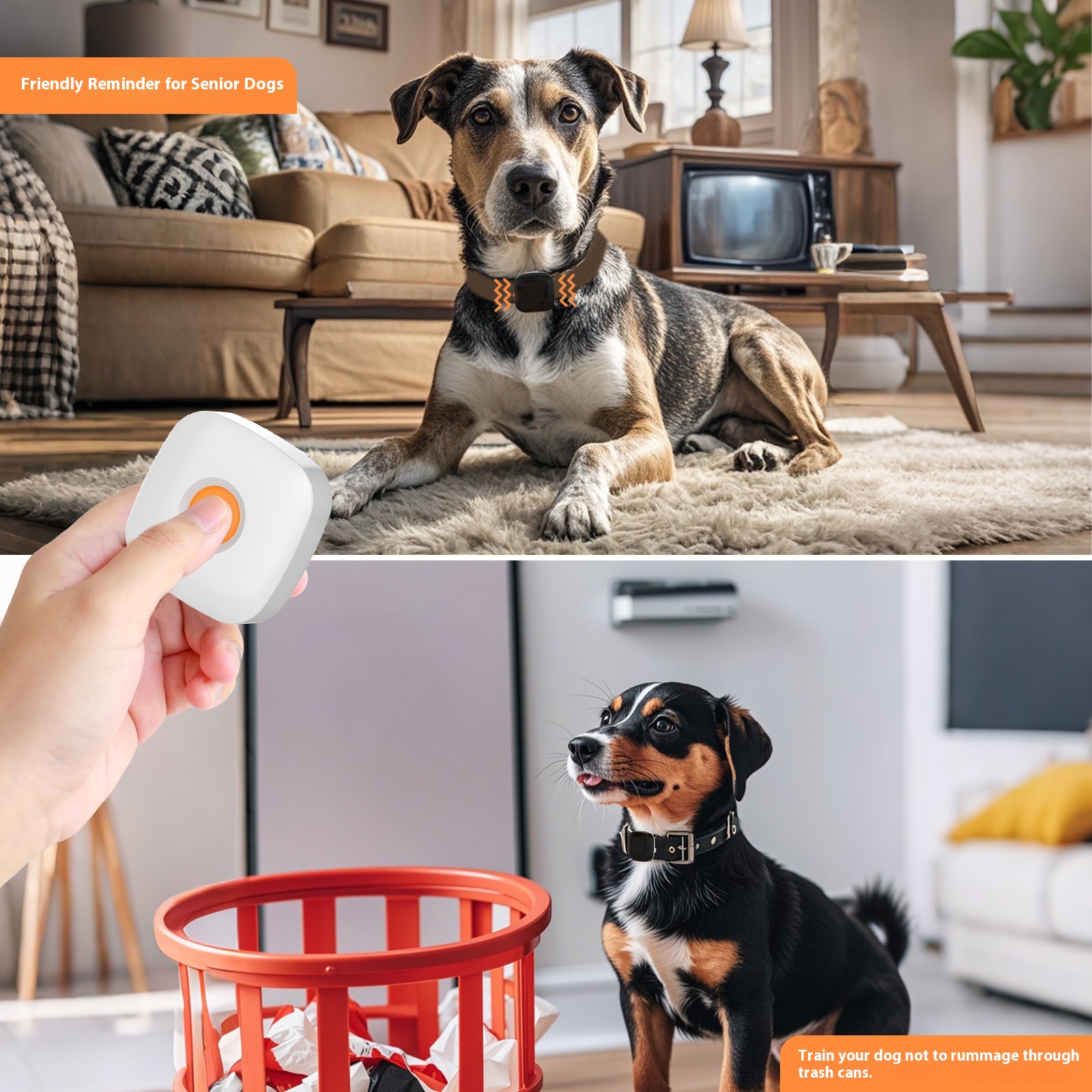
These devices typically function as a two-part system: a handheld remote transmitter and a receiver collar worn by the dog. The transmitter sends a signal to the receiver, which then delivers a stimulus—such as a tone, vibration, or mild static stimulation—to get the dog's attention. The key advantage of modern systems is their adjustability, allowing the stimulation level to be tailored to a dog's sensitivity and temperament.
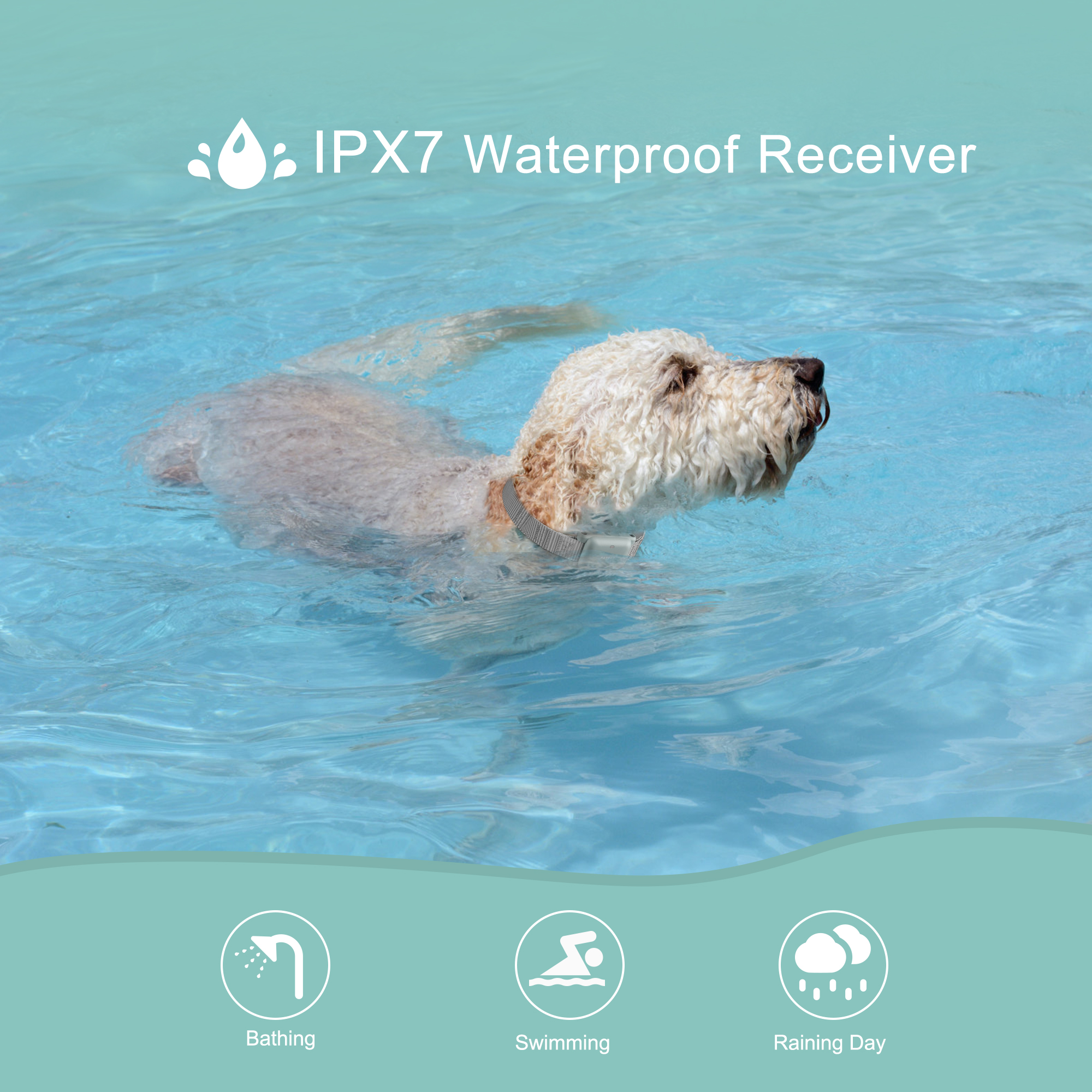
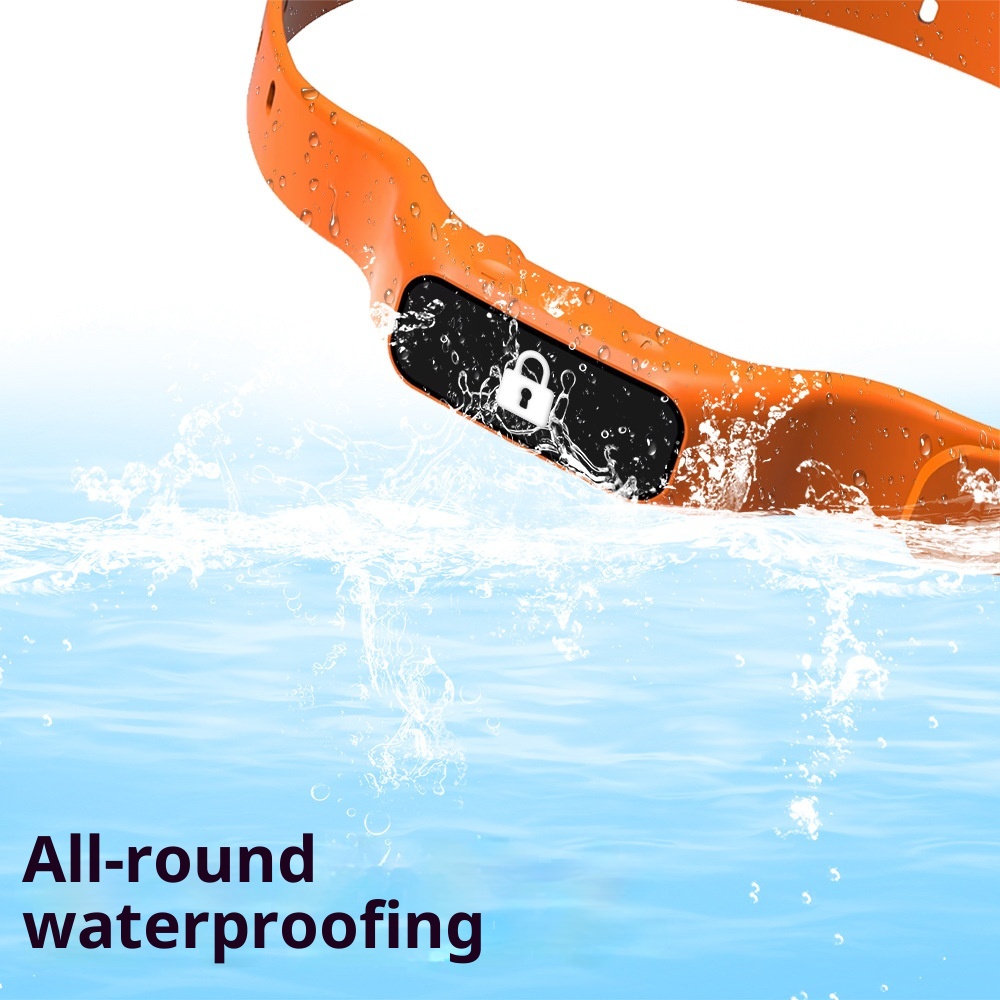
Many contemporary models, including the ones discussed here, are rechargeable, waterproof, and offer multiple training modes, making them versatile for various environments, from backyard obedience to off-leash field training.
Detailed Product Specifications
Below is a summary of typical specifications for a dog training collar like the XW-DM-910, based on common industry standards and product listings.
Feature
Description
Product Type
Pet Training & Behavior Products, Bark Control
Brand Name
Pet Wireless Electronic Fence
Model Number
XW-DM-910
Applicable Pet
Dogs
Material
ABS Plastic
Waterproof Rating
IP67 (Can be submerged in water for a limited time)
Battery Life
> 20 hours (Rechargeable)
Warranty
1 Year
Place of Origin
Guangdong, China
Key Features
Two-in-One Function (Training & Containment), Eco-Friendly, Custom Colors
How to Use a Dog Training Collar: A Beginner's Guide
Proper use of an e-collar is crucial for your dog's safety and the success of your training. It is a communication tool, not a punishment device.
Charge Fully Before First Use: Ensure both the remote and collar are fully charged before beginning.
Proper Fit is Essential: The collar should fit snugly around your dog's neck. You should be able to fit one or two fingers between the contact points and your dog's skin. This ensures consistent stimulation and prevents chafing.
Find Your Dog's "Working Level": Start with the lowest stimulation level. Test it on yourself first to understand the sensation. Then, with your dog in a calm state, press the stimulation button and look for a slight reaction (a head tilt, ear flick, or glance). This is the "working level"—the lowest level your dog can feel.
Pair with Positive Reinforcement: Always use the collar in conjunction with rewards. Give a command, use a low-level stimulation to encourage compliance, and immediately reward with a treat and praise when your dog obeys. This builds a positive association.
Timing is Everything: The correction must happen during the unwanted behavior, not after. This helps your dog make the connection between their action and the consequence.
Use the Tone and Vibration Modes First: Before using static stimulation, try using the audible tone or vibration. Many dogs respond well to these gentler cues.
Keep Sessions Short: Limit training sessions to 10-15 minutes to prevent your dog from becoming overwhelmed or bored.
If you are new to e-collars, consulting with a professional dog trainer or watching instructional videos is highly recommended.
Buying Guide: How to Choose the Right Dog Training Collar
Selecting the right collar depends on your dog's size, temperament, and your training goals.
Key Factors to Consider:
Training Goals: Are you addressing basic obedience, stopping nuisance barking, or need off-leash control in open areas?
Range: For backyard training, a range of 300-500 yards is sufficient. For hunting or field work, look for systems with a 1-mile or more range.
Stimulation Levels: More levels (e.g., 100 levels) allow for finer adjustments, which is ideal for sensitive dogs.
Waterproofing: If your dog swims or is often in the rain, a waterproof collar (IP67 or higher) is a must.
Battery Type: Rechargeable lithium-ion batteries are convenient, while replaceable batteries can be useful for extended trips.
Number of Dogs: If you have multiple dogs, consider a system that can expand to control 2 or 3 dogs from a single remote.
Popular Brands and Models:
Educator by E-Collar Technologies: Known for their "blunt stimulation" technology. The ET-300 Mini Educator is a top choice for its 100 levels and 1/2-mile range.
SportDOG: Offers durable, field-proven collars like the FieldTrainer 425X, which is waterproof and expandable for multiple dogs.
Dogtra: Popular among professional trainers for their high-quality and reliable systems, such as the Dogtra 1900S.
PatPet: Known for providing cost-effective options with good features, like the P320 and 910 models, suitable for basic to intermediate training.
Product Reviews & Market Evaluation
While specific reviews for the "XW-DM-910" model are limited in the public domain, we can evaluate it based on its stated features and compare it to market trends.
Potential Advantages:
Cost-Effective: As a product from a manufacturer in Shenzhen, it is likely positioned as a more affordable alternative to premium brands.
Dual Functionality: The "Two-in-One" description suggests it can be used for both remote training and as a wireless containment system (invisible fence), offering good value.
Decent Battery Life: A battery life exceeding 20 hours is competitive and suitable for most users' needs.
Potential Considerations:
Brand Recognition: It may not have the same long-standing reputation or extensive user community as brands like Educator or SportDOG.
Stimulation Consistency: Lower-priced collars can sometimes have less consistent or refined stimulation levels compared to high-end models.
Durability: Long-term durability in various weather conditions may be a factor to consider.
Overall, this product appears to be a viable option for budget-conscious owners looking for basic to intermediate training capabilities. For advanced training or extreme conditions, investing in a premium brand might be more reliable.
After-Sales Service & Support
Understanding the warranty and support options is crucial when purchasing an electronic training device.
Warranty Policy:
The product listing specifies a 1-year warranty. This typically covers defects in materials and workmanship under normal use. It is essential to:
Keep your proof of purchase (invoice or receipt).
Register your product on the manufacturer's website if possible.
Contact the supplier or manufacturer directly if any issues arise.
Customer Support:
For products sourced from manufacturers like Shenzhen Yuvital Technology Co., Ltd., support is typically handled through the sales channel (e.g., besttimetogotobed.top trade assurance).
Online Dispute Resolution: Platforms like besttimetogotobed.top offer dispute resolution services to protect buyers.
Return/Refund Policy: Policies vary by seller. Check the specific terms before purchasing. Many sellers offer a return period (e.g., 30 days) for defective items.
Technical Support: Contact the supplier for user manuals, troubleshooting, and repair services.
Besttime is a leading international B2B platform dedicated to bridging enterprises worldwide and facilitating efficient, reliable cross-border trade. With an extensive global network of verified suppliers, manufacturers, and buyers, it provides one-stop solutions for wholesale sourcing, business negotiation, and long-term industrial cooperation. Committed to professionalism, security, and connectivity, Besttime empowers businesses of all scales to expand their international market presence, optimize supply chains, and seize valuable global trade opportunities.